A fictional traveling salesman made Shibamata famous across Japan—but the route he kept coming home to had already been walked by pilgrims for centuries.
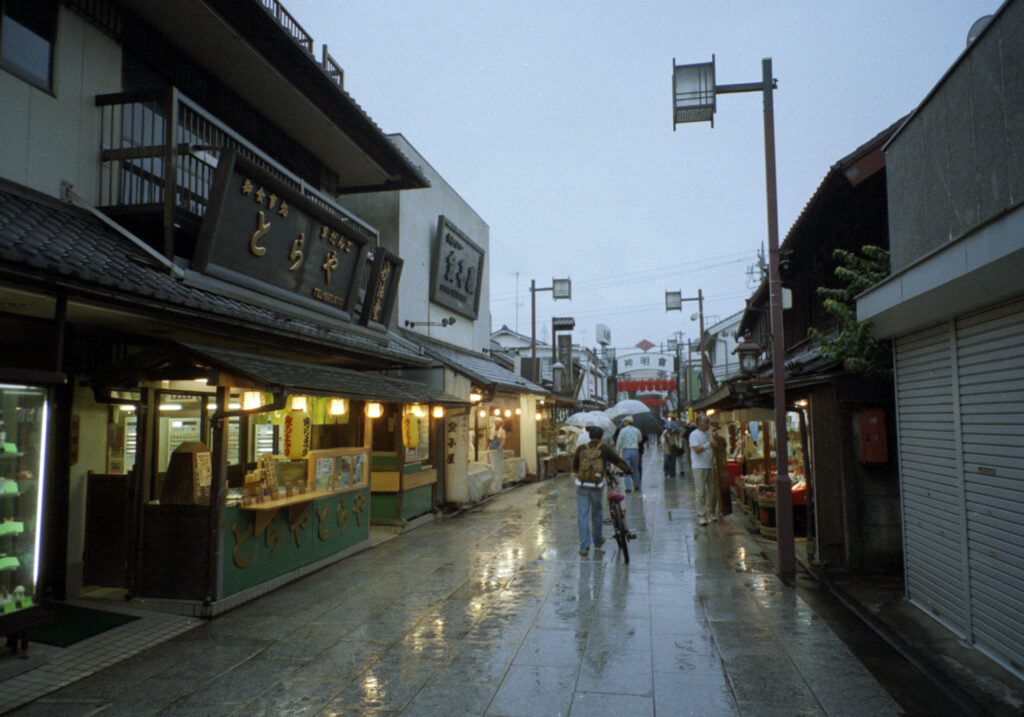
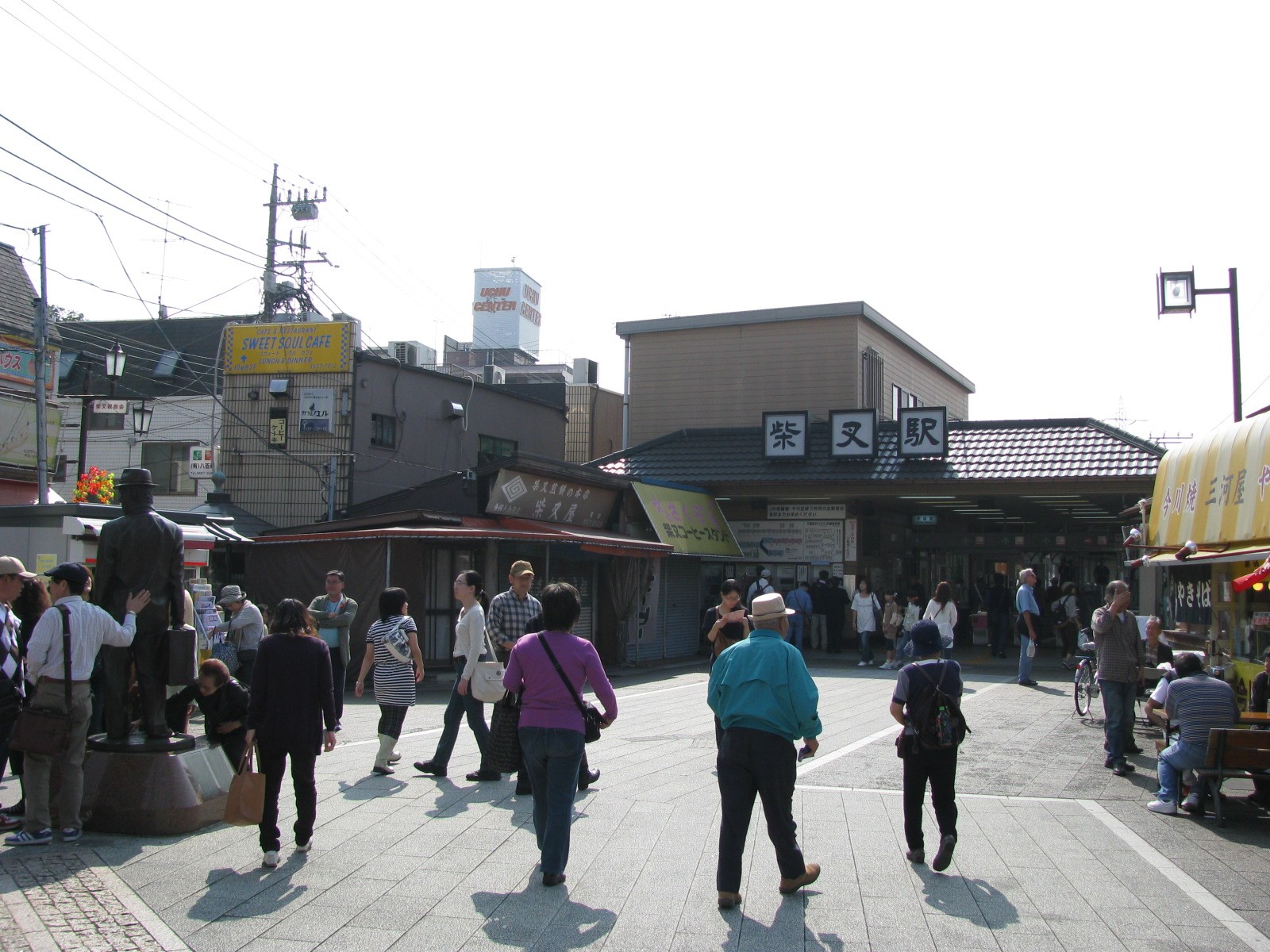
Visitors arriving at Shibamata Station still follow the same compact sequence: a narrow shopping street, a Buddhist temple and the broad Edo River. To someone unfamiliar with Japan, the neighborhood may look like a preserved film set. It is not. The route existed long before cinema because worshippers repeatedly traveled to Shibamata Taishakuten and supported the shops that served them.
Railways later delivered larger crowds to the beginning of that pilgrimage street. The long-running Otoko wa Tsurai yo film series then transformed the route into a national image of departure, return and hometown belonging. Cinema made Shibamata emotionally familiar, but religion, commerce and transport built the landscape first.
This is why Shibamata feels unusually coherent despite centuries of change. Every major historical layer strengthened the same journey from station to shops, temple and river.
Quick Facts
- Japanese name: 柴又
- Municipality: Katsushika City, Tokyo
- Main access: Shibamata Station on the Keisei Kanamachi Line
- Known for: Shibamata Taishakuten, the temple approach, Yagiri no Watashi and Tora-san
- Key landscape: a compact settlement beside the Edo River
- Main historical forces: pilgrimage, temple commerce, ferry traffic, railway access, cinema and cultural-landscape preservation
Why Shibamata Became What It Is Today
Shibamata developed through repeated movement. A local temple became a regional destination. Worshippers needed food, rest, offerings and souvenirs, so businesses gathered along the approach. A ferry connected the village to communities across the Edo River. Railways made the trip easier and concentrated arrivals at one station. Cinema later attached stories of homecoming to the route that already linked these places.
The neighborhood’s old-fashioned atmosphere is therefore not the survival of one untouched period. Temple buildings were reconstructed, the station changed, shops were renewed and fields became housing. What endured was the relationship among the route’s parts.
A Village beside the Edo River
Shibamata lies in eastern Tokyo near the border with Chiba Prefecture. Before becoming a visitor destination, it was a farming village in a low-lying river landscape. Small differences in elevation mattered: homes, roads and religious buildings occupied relatively secure ground, while lower land supported fields, drainage channels and seasonal water.
The Edo River supplied water and transport but also brought flood risk. Its embankments and crossings shaped settlement, agriculture and movement. The river was not simply a boundary at Tokyo’s edge; it connected Shibamata with villages and roads on the opposite bank.
Shibamata Taishakuten Becomes a Pilgrimage Destination
Daikyoji, commonly known as Shibamata Taishakuten, traces its foundation to 1629. The temple belongs to the Nichiren school of Buddhism and is associated with Taishakuten, a protective Buddhist deity.
According to the temple’s official history, a wooden religious image was rediscovered during repairs in 1779. The discovery occurred on a koshin day, which returned every sixty days in the traditional calendar. This recurring date gave worshippers a regular reason to visit rather than limiting devotion to an annual festival or a single lifetime pilgrimage.
Accounts of protection from illness and hardship helped the temple’s reputation spread. Belief moved outward through stories and devotional networks, while people moved inward toward Shibamata.
Pilgrims Created the Shopping Street
The commercial approach is a classic monzen-machi, a town formed before the gate of a temple or shrine. Tea houses, restaurants, sweet shops, sellers of offerings and souvenir businesses benefited from the steady flow of visitors.
The route remains short, narrow and pedestrian in scale. Shops face directly onto the street, and the temple gate appears at the far end. Individual buildings have changed, but the economic logic survives: visitors still pass every storefront on their way to worship.
The Temple Was Built over Generations
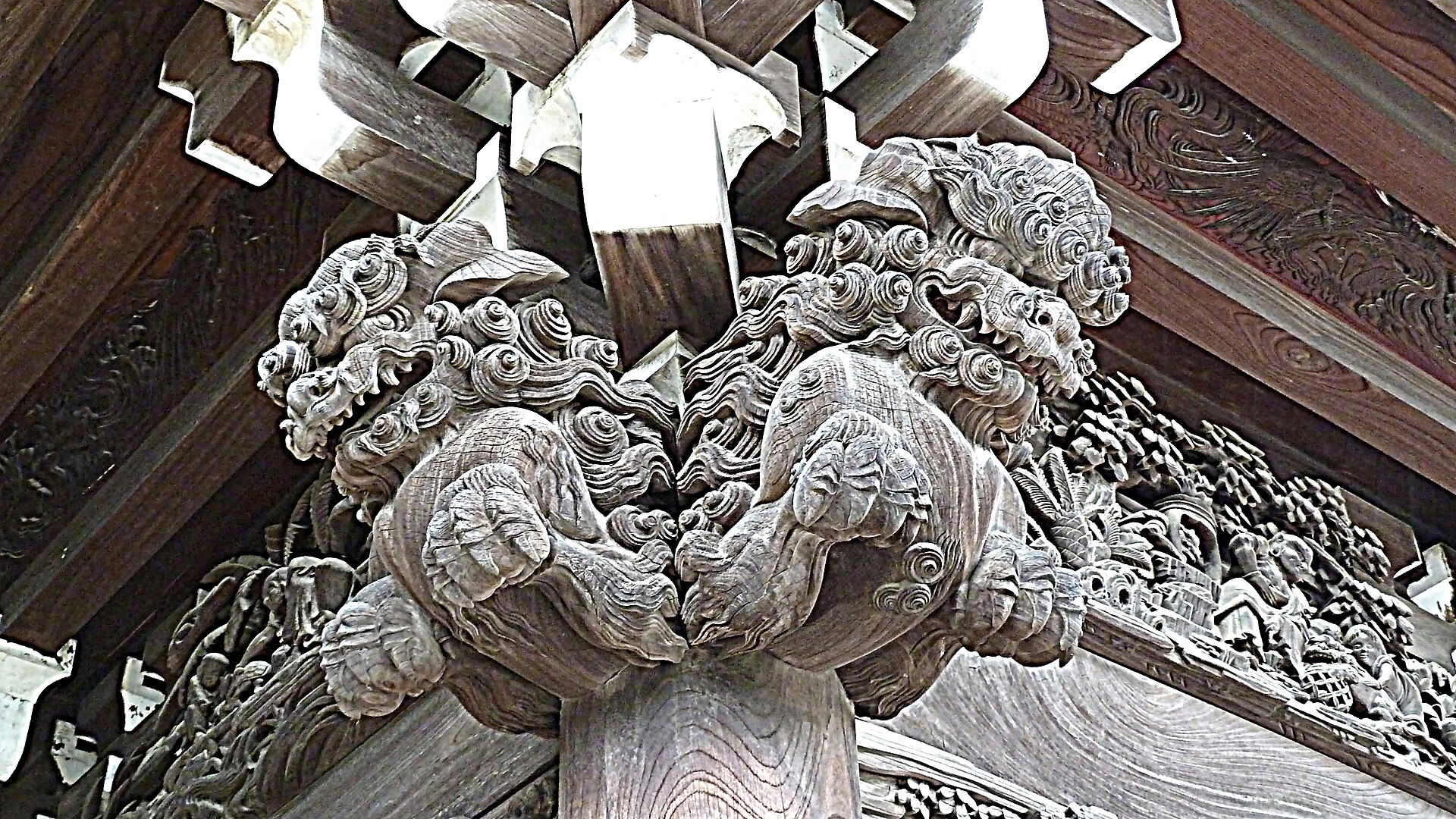
The present precinct does not come from a single historical period. The current Nitenmon gate was completed in 1896. The inner hall of the Taishakudo followed in 1915, while the worship hall and Great Guest Hall were completed in 1929. Specialist woodcarvers produced the famous panels around the inner hall over many years, completing them in 1934.
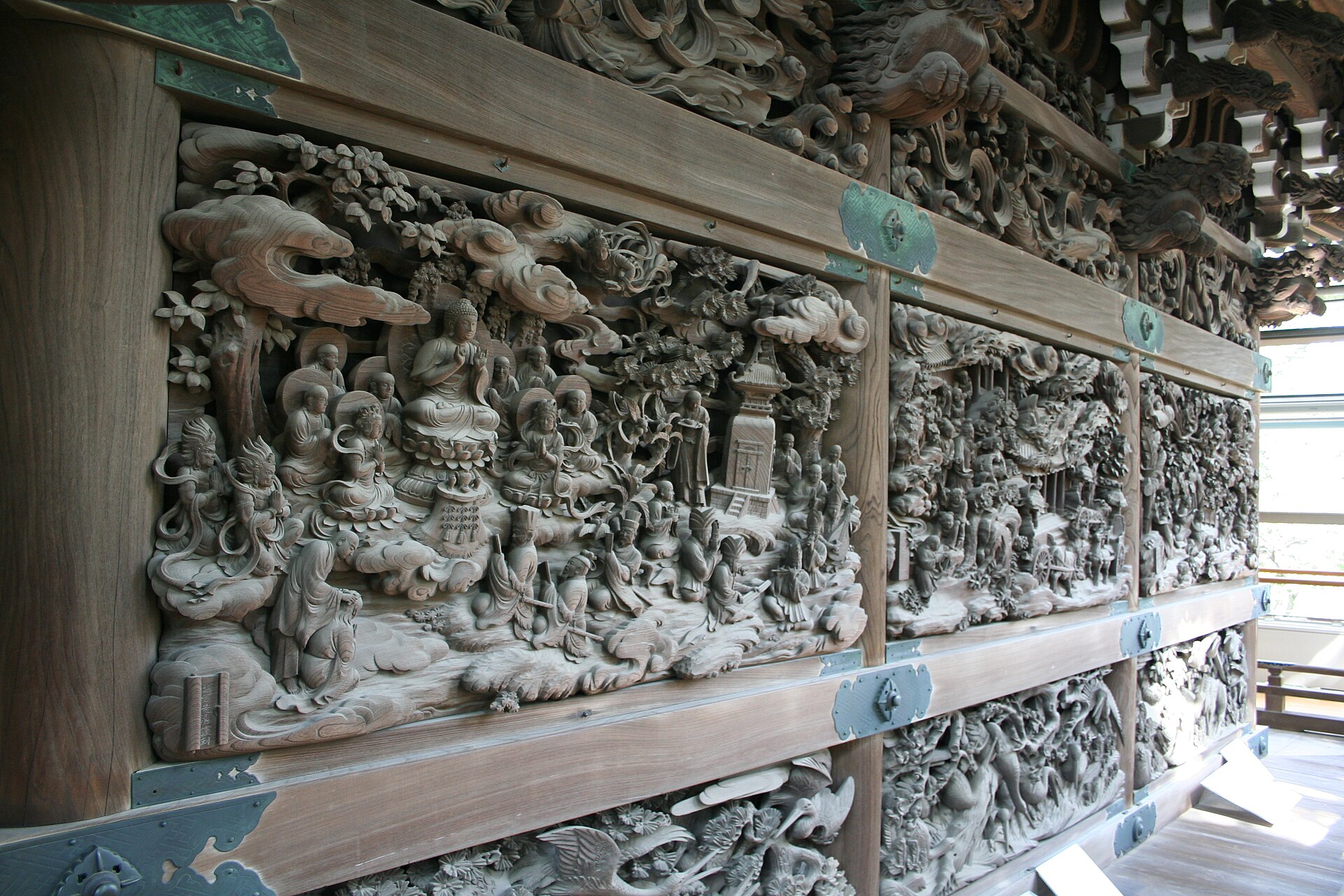
The garden known as Suikeien also developed in the twentieth century. What visitors see is therefore not an untouched Edo temple but a religious complex repeatedly rebuilt through donations, craftsmanship and continued worship.
The Ferry Connected Shibamata to a Wider Region
Beyond the temple lies Yagiri no Watashi, the ferry crossing between Shibamata and Yagiri in present-day Matsudo. The crossing began as practical local transport. Farmers, families and travelers used it to reach land and roads on both sides of the river.
Pilgrims could also use the ferry, extending Shibamata’s devotional geography into Chiba. The river therefore made the village part of a wider regional network rather than isolating it at Tokyo’s edge.
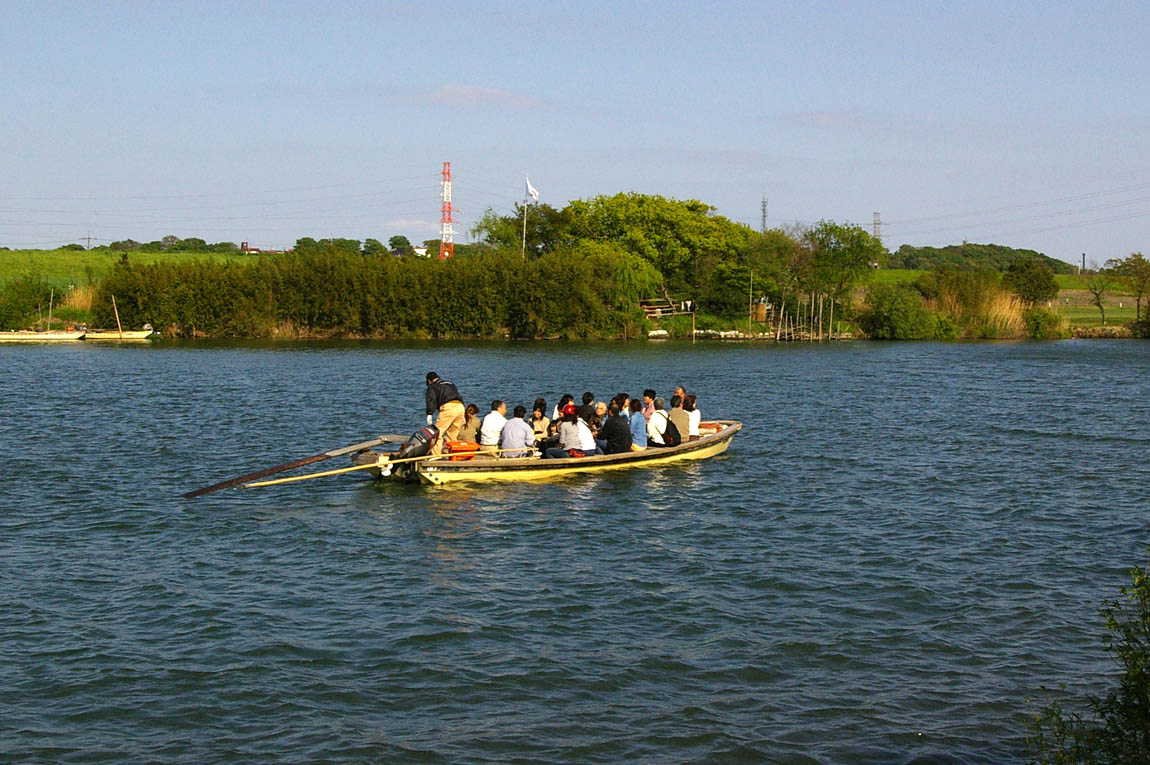
The present ferry is a modern continuation, not an unchanged Edo-period service. Boats, landings and operating conditions have changed. Its historical significance lies in the persistence of the crossing itself.
Railways Turn Pilgrimage into an Easy Day Trip
Kanamachi Station opened in 1897. Two years later, a small hand-pushed railway began carrying passengers between Kanamachi and the temple area. Workers reportedly pushed the cars and extra labor was hired on busy koshin worship days.
Electric railway service reached Shibamata in 1912. The station became the primary gateway, directing visitors into the already established temple approach. Rail did not replace pilgrimage geography; it intensified it.
Why the Route Worked So Well on Film
By the mid-twentieth century, Shibamata already offered a clear visual and emotional sequence: station, shops, temple and river. That structure gave filmmakers a natural story of leaving and returning.
Otoko wa Tsurai yo became a film series in 1969. Its central character, Torajiro Kuruma—Tora-san—is a traveling salesman who repeatedly returns to his family and hometown in Shibamata.
The station represented departure and arrival. The shopping street supplied familiar faces and everyday encounters. Taishakuten represented continuity, while the river opened toward the wider world. The films did not invent this geography; they made its emotional logic visible to a national audience.
Cinema Created a Shared Hometown
Forty-eight Tora-san films were released between 1969 and 1995, followed by a fiftieth film in 2019. Repetition made Shibamata familiar even to people who had never visited.
The Japanese word furusato means a hometown or place of emotional belonging. Through the films, Shibamata became a shared furusato: a place audiences could recognize as home without having lived there.
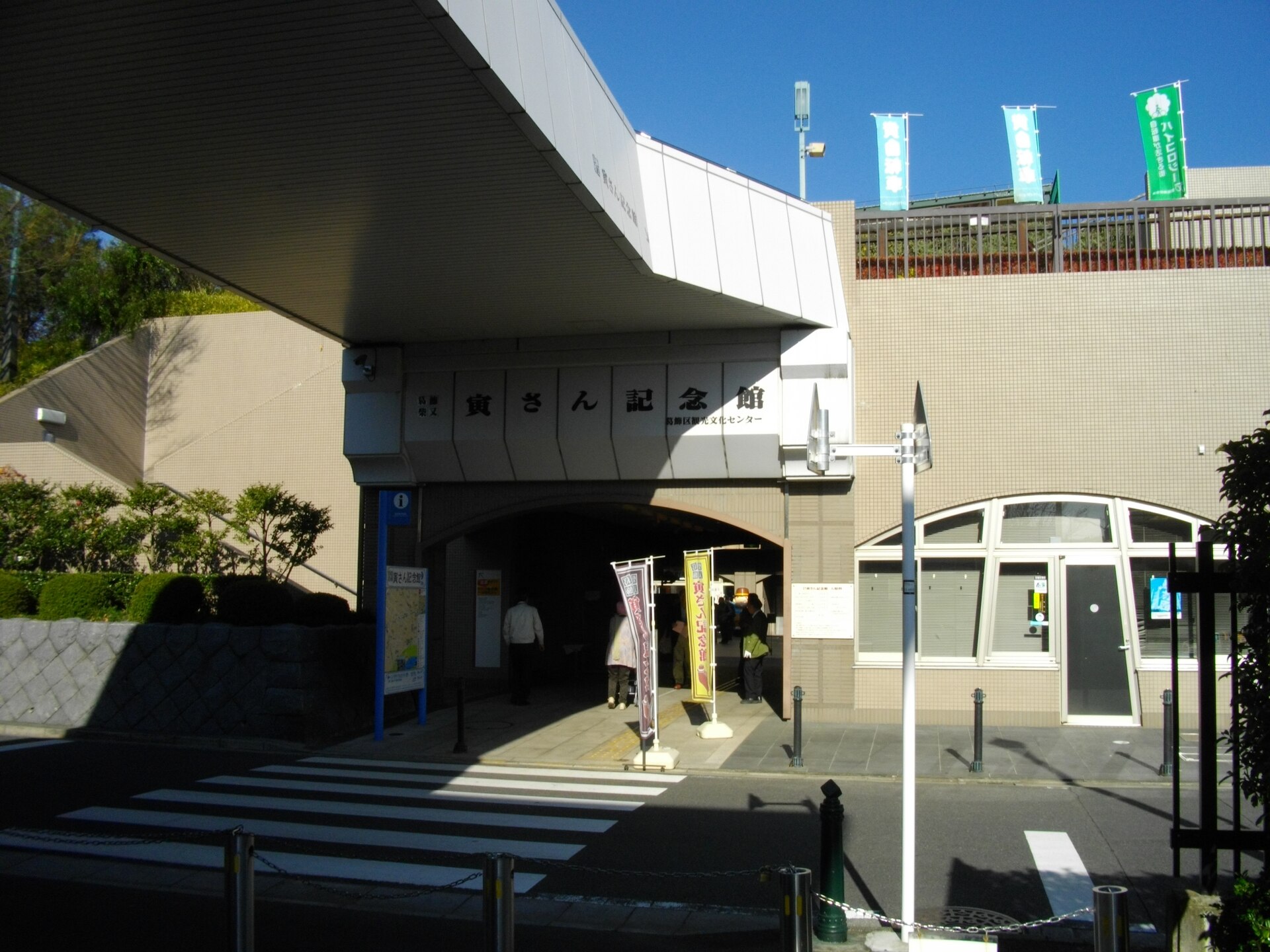
Film memory later entered the physical landscape. A statue of Tora-san appeared outside the station in 1999, and a statue of his sister Sakura was added in 2017. The Tora-san Museum, opened in 1997, preserves sets, objects and stories from the series.
Why the Whole Landscape Was Protected
In 2018, the Cultural Landscape of Katsushika Shibamata became Tokyo’s first nationally selected Important Cultural Landscape. The designation recognizes relationships rather than isolated monuments: temple, shopping street, older settlement, railway, former farmland, waterways, river and film culture.
Shibamata’s value lies in continuity of use, not perfect architectural survival. Buildings have been repaired or replaced and fields have become housing, yet people still follow the same basic route. Preservation therefore means keeping the landscape understandable while allowing residents, worshippers and businesses to continue using it.
What to Notice When You Visit
- Shibamata Station: the modern entrance that redirected pilgrimage into today’s main route.
- The temple approach: commerce positioned to serve every visitor walking toward the gate.
- Shibamata Taishakuten: buildings and carvings from several periods of reconstruction.
- The Edo River embankment: the meeting point between compact settlement and broad river landscape.
- Yagiri no Watashi: a surviving regional crossing whose operation depends on weather and river conditions.
- Tora-san Museum and statues: later layers that transformed film memory into physical place.
How Shibamata’s Story Fits Together
| Stage | What changed | What it created |
|---|---|---|
| Farming village | Settlement developed on safer ground beside the Edo River. | A compact village connected to fields and ferry routes. |
| Pilgrimage | Recurring worship brought visitors to Taishakuten. | A reliable flow of people into Shibamata. |
| Temple commerce | Shops gathered along the route to the temple. | The pedestrian approach still visible today. |
| Railway | Trains made Shibamata an easy day trip. | The station-to-temple route became the main entrance. |
| Cinema | A long-running film series repeatedly used the route. | Shibamata became a national image of home. |
| Preservation | The connected landscape received national recognition. | The route is protected as living history rather than a film set. |
Timeline
| Date | Turning point |
|---|---|
| 1629 | Daikyoji is founded. |
| 1779 | The Taishakuten image is reportedly rediscovered on a koshin day. |
| 1896 | The present Nitenmon gate is completed. |
| 1897 | Kanamachi Station opens. |
| 1899 | A hand-pushed railway begins serving the temple area. |
| 1912 | Electric railway service reaches Shibamata. |
| 1929–1934 | Major halls and carved panels are completed. |
| 1969 | The first Otoko wa Tsurai yo film is released. |
| 1997 | The Tora-san Museum opens. |
| 2018 | Shibamata becomes an Important Cultural Landscape. |
Frequently Asked Questions
Why is Shibamata famous?
It is known for Shibamata Taishakuten, its traditional shopping street, the Yagiri ferry and its role in the long-running film series Otoko wa Tsurai yo.
Did the films create Shibamata’s nostalgic streets?
No. Cinema made the neighborhood nationally famous, but pilgrimage and railway travel had already shaped the station-to-temple-to-river route.
Who is Tora-san?
Tora-san is Torajiro Kuruma, a fictional traveling salesman played by Kiyoshi Atsumi in the Otoko wa Tsurai yo series.
Is Shibamata an Edo-period town?
Its pilgrimage history began in the Edo period, but many visible buildings and features date from the Meiji, Taisho, Showa and later periods.
Can visitors still use the ferry?
Yes, when operating conditions permit. Service depends on season, weather and river conditions, so current municipal information should be checked before visiting.
Sources and Further Reading
- Shibamata Taishakuten: official history
- Shibamata Taishakuten: construction history
- Katsushika City Museum: Cultural Landscape of Katsushika Shibamata
- Katsushika City History: Teishaku Jinsha Railway
- Matsudo City: Yagiri no Watashi
- Official Tora-san Museum website
Related Neighborhood Histories
Browse the Tokyo Neighborhood Histories directory to compare Shibamata with other districts shaped by pilgrimage, transport and older street patterns.
Walk Tokyo’s History with TimeWalk Japan
Shibamata is especially rewarding on foot because its history follows a clear route from the station to the shopping street, temple and river.