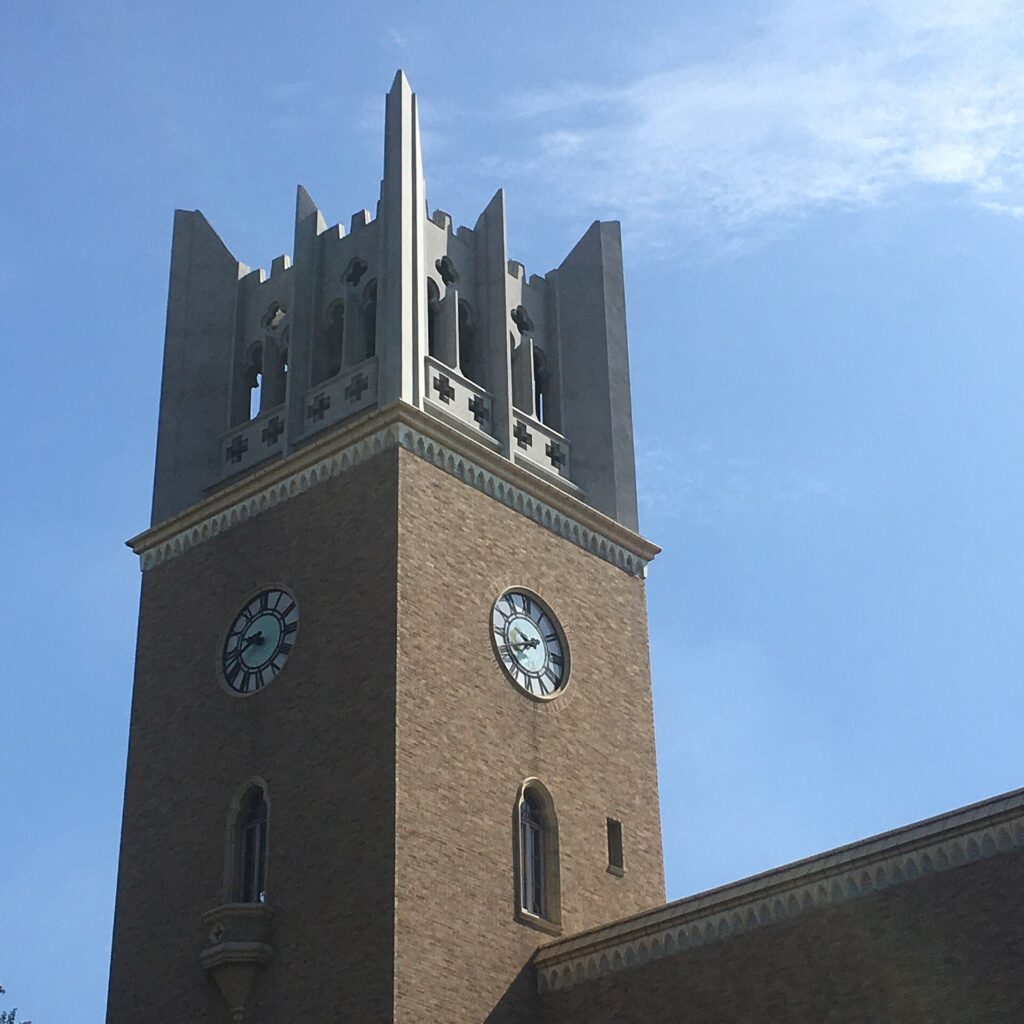
Waseda feels like a university town because one institution changed how people moved, lived, ate and worked across an older landscape of village roads, shrine visits and river terraces.
Waseda University did not create the district from nothing. It settled on the higher ground above the Kanda River, close to Ana-Hachimangu and roads already used by residents and worshippers. The school then added a permanent flow of students, teachers, books, rented rooms and inexpensive meals.
That flow became the district’s main engine. Printers and publishers served academic demand. Boarding houses accommodated students who could not commute. Restaurants filled the gaps between classes. Streetcars and subways later brought people from farther away. Modern Waseda exists because education was layered onto routes and land uses that were already there.
The Landscape Came before the University
The easiest way to understand Waseda is to notice its height. Ana-Hachimangu and much of the main university area stand on higher ground. To the north and east, streets descend toward the Kanda River and the Waseda terminus of the Tokyo Sakura Tram.
Before modern Tokyo, the higher land suited settlements, roads and religious sites. The lower river corridor supported agriculture and water management but was more exposed to flooding. Slopes connected the two zones, while bridges concentrated movement across the river.
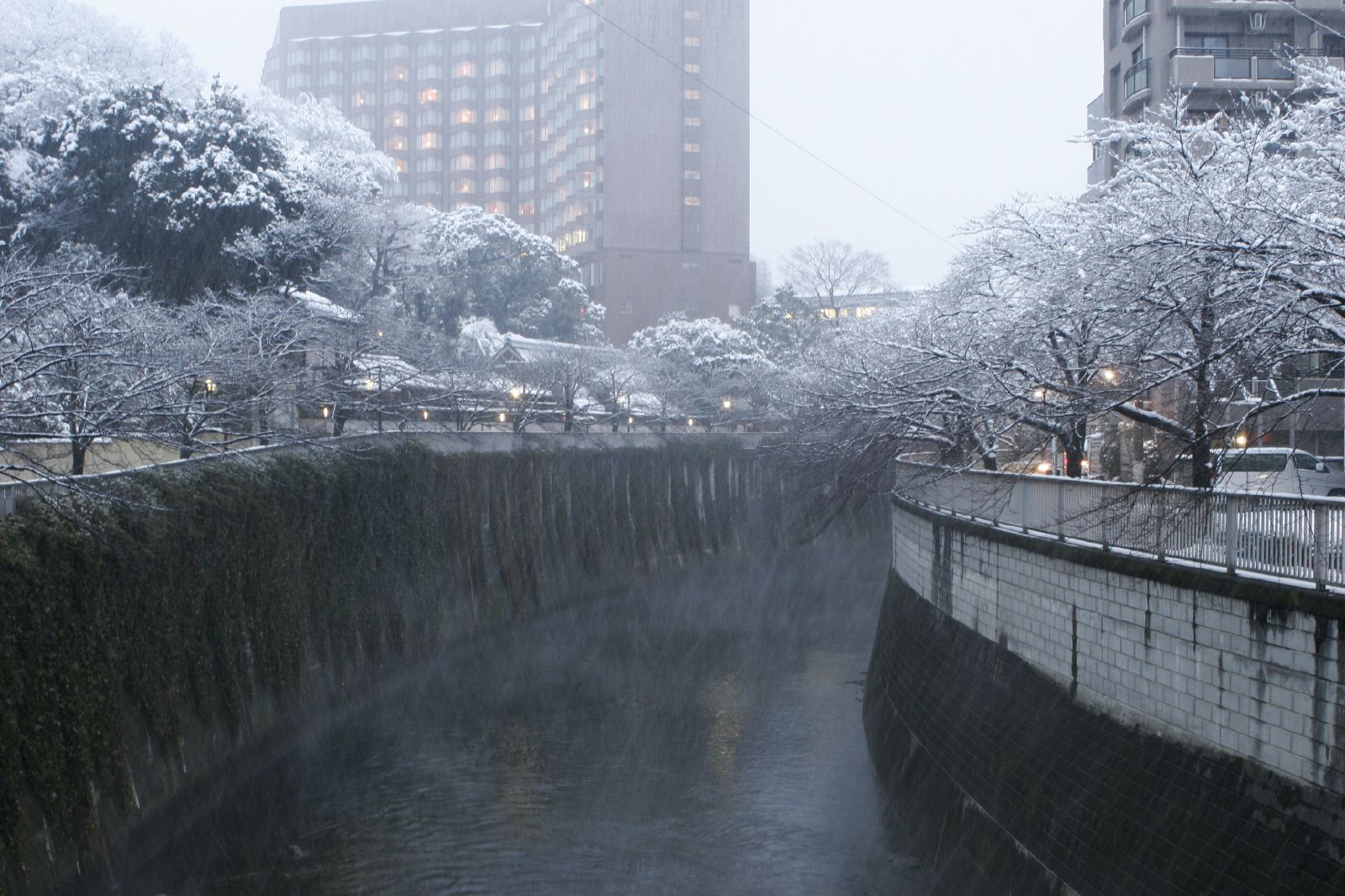
Modern flood-control walls have changed the river, but the difference in elevation remains visible in retaining walls, steps and descending streets. The university later used this older topography rather than erasing it.
Village Roads and Shrine Visits Already Brought People Here
For much of the Edo period, Waseda and the wider Totsuka area lay beyond the densely built center of the city. Fields, village homes, paths, shrines and waterways formed a near-urban rural landscape. Produce moved toward Edo, while worshippers and local travelers used roads linking Ushigome, Takada and settlements farther west.
The name Waseda is often associated with rice cultivation, but the more important point is how the land functioned. It was already cultivated, owned and crossed by people before a modern school appeared.
Present-day station names can blur this older geography. Waseda, Nishi-Waseda, Totsuka, Takadanobaba, Toyama and Sekiguchi overlap in everyday movement, but they developed from different villages and administrative areas. The student district grew across those boundaries.
Ana-Hachimangu Was Waseda’s Earlier Destination
Ana-Hachimangu stands on elevated land in Nishi-Waseda. The shrine preserves a foundation tradition linked to Minamoto no Yoshiie in 1062, although its better-documented development belongs to the early Edo period.
In 1636, Matsudaira Naoji established an archery ground and worshipped Hachiman, a deity closely associated with warriors. The shrine states that the name Ana-Hachimangu came into use after a sacred cavity and image were discovered during work in 1641.
The shrine brought recurring crowds before the university existed. Mounted archery traditions and the winter-solstice Ichiyo Raifuku amulet created seasonal flows of worshippers. Those visitors supported movement and commerce around the site long before students became the district’s most visible population.
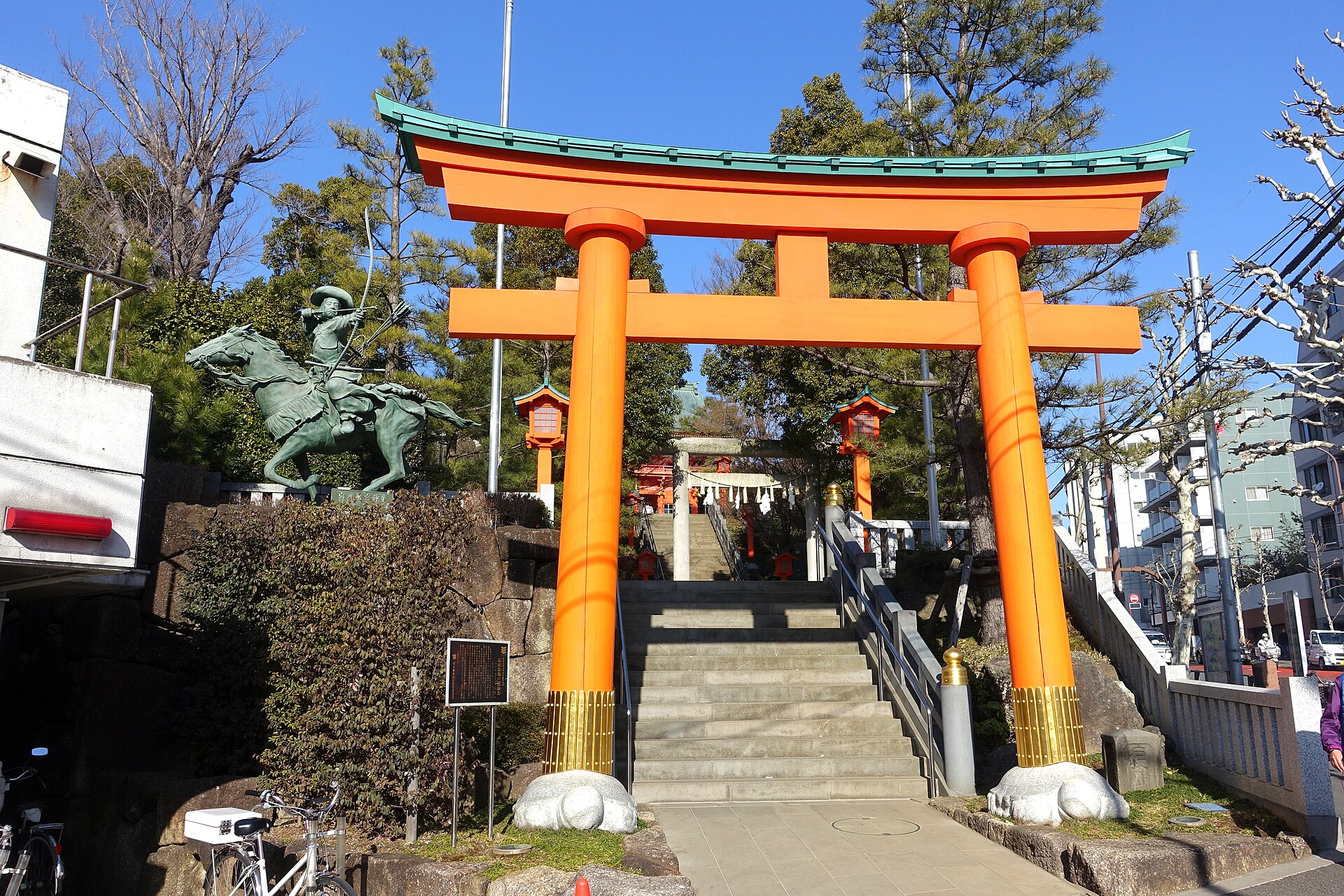
The visible shrine buildings are modern reconstructions. The deeper continuity lies in the site, the ritual calendar and the older roads that still lead people toward it.
A New School Needed Space near the City
After the Meiji Restoration, Tokyo expanded beyond the old city. Changes in landholding and the decline of feudal institutions opened opportunities for schools seeking large sites outside the crowded center.
Waseda offered a useful balance. It was close enough to political and intellectual districts to remain connected, yet peripheral enough to provide room for a campus. Existing roads and nearby villages could supply land, labor, housing and daily services.
This location allowed the school to become an anchor. Instead of fitting into an established commercial district, it generated a new economy around itself.
Tokyo Senmon Gakko Created Daily Demand
Tokyo Senmon Gakko opened on October 21, 1882, under the leadership of Shigenobu Okuma and collaborators including Azusa Ono. Waseda University’s historical materials describe an institution that began with about eighty registered students.
The curriculum emphasized political science, economics, law and English-language learning. Okuma wanted an independent center of higher education outside the state imperial university system.
Even a small school altered the neighborhood because education creates repeated demand. Students needed rooms, food, paper, books and meeting places. Teachers and guest speakers brought visitors. Academic terms created predictable cycles of arrival, residence and departure.
The School Became the District’s Main Engine
Tokyo Senmon Gakko adopted the name Waseda University in 1902. The institution received legal university status under the University Ordinance in 1920, but its neighborhood influence had already become clear.
Expansion brought more departments, students and buildings. Campus gates concentrated foot traffic. Streets outside them filled with rented rooms, restaurants, stationery shops and other services. The university redirected movement and land values without completely replacing the older shrine and village landscape.
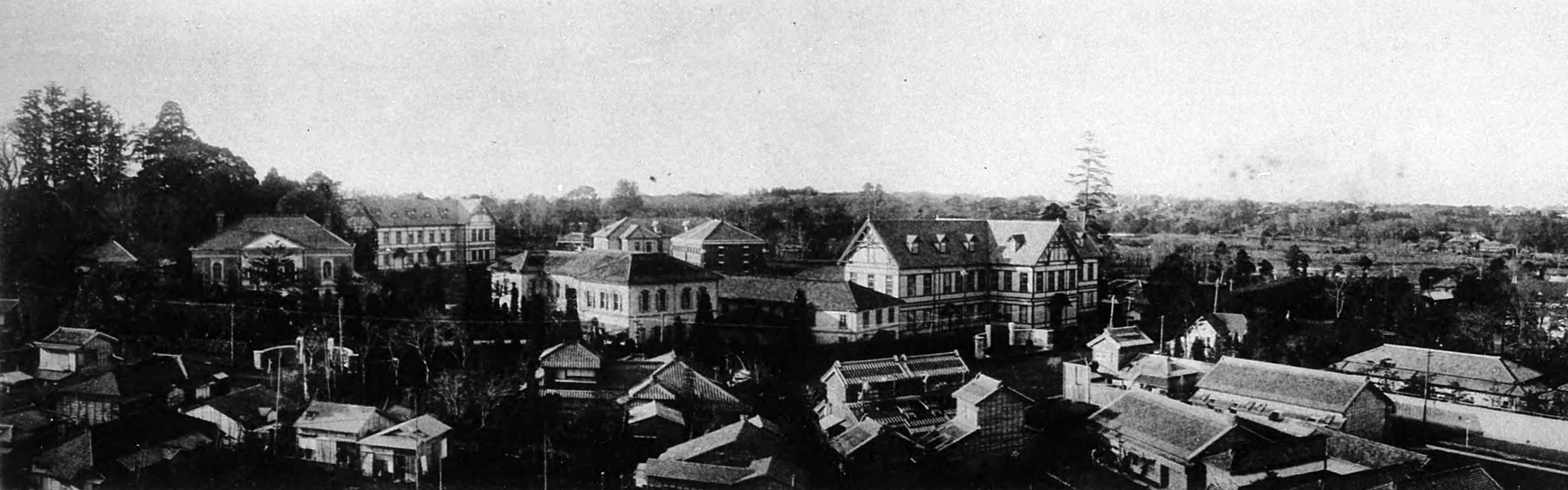
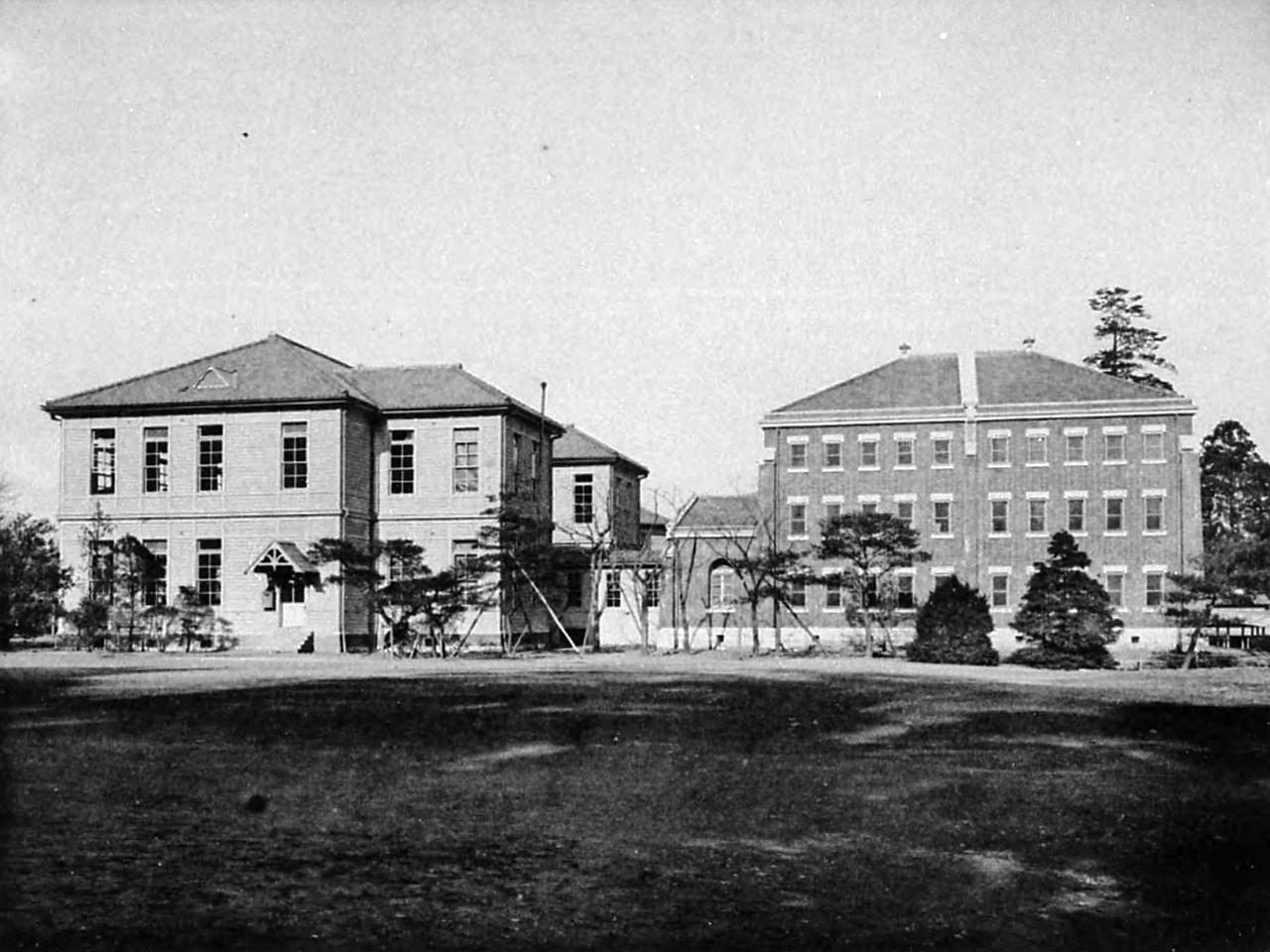
The early campus panorama shows an institution becoming physically distinct within a still-developing district. The school was beginning to organize the surrounding streets.
Public Buildings Expanded the Campus’s Reach
A new library and student hall were completed in 1925. Okuma Auditorium followed in 1927, and the Tsubouchi Memorial Theatre Museum opened in 1928.
These buildings turned the university into a public cultural destination as well as a school. Libraries, lectures, ceremonies and performances drew visitors who also used nearby restaurants and shops.
The campus edge became a meeting point between institutional schedules and commercial life. Class times created lunch rushes. The academic year shaped the rental market. Publication cycles generated work for printers and binders.
Books and Printing Followed the University
A university produces text. Lectures require notes and textbooks. Research produces journals and books. Student groups print newspapers, posters and literary magazines.
Waseda’s library, founded with the school in 1882, became an institutional center for reading and collecting. Private printers, binders, publishers and booksellers could serve both academic and general audiences nearby.
The university did not create Tokyo’s printing industry by itself. The wider Ushigome and Ichigaya area already supported printing and binding. Waseda connected that production base with a dense market of students, teachers, writers and editors.
Secondhand bookshops were especially useful because they kept texts affordable and allowed books to pass from one generation of students to the next. The number of shops has changed, but the connection between learning and commercial book circulation remains central to Waseda’s identity.
Boarding Houses Turned Education into Neighborhood Life
Before long-distance commuting became ordinary, many students had to live close to the school. Boarding houses, rented rooms and later small apartments spread into Waseda, Totsuka and Takadanobaba.
This produced two populations moving at different speeds. Long-term residents lived beside students who arrived and left according to the academic calendar. Landowners adapted buildings for rent, and shops adjusted to limited student budgets.
The arrangement could also create friction over noise, crowding and redevelopment. Waseda’s student culture was never separate from ordinary neighborhood life.
Affordable Food Became Part of the Student Economy
A student district must feed people quickly and inexpensively. Noodle shops, curry restaurants, set-meal counters, cafeterias and cafes gathered along routes between classrooms, rented rooms and transit stops.
The importance of these businesses did not depend on one famous restaurant. Every weekday, large numbers of people needed lunch between classes, dinner after club activities or a place to read and talk.
Cafes and small restaurants became informal extensions of the campus. Students debated, edited magazines, planned performances and organized political activity there. Individual businesses have changed, but the underlying market remains.
Streetcars and Subways Created Several Entrances
Before the subway, streetcars connected Waseda with other parts of Tokyo. The surviving line along the Kanda River preserves only part of that larger network.
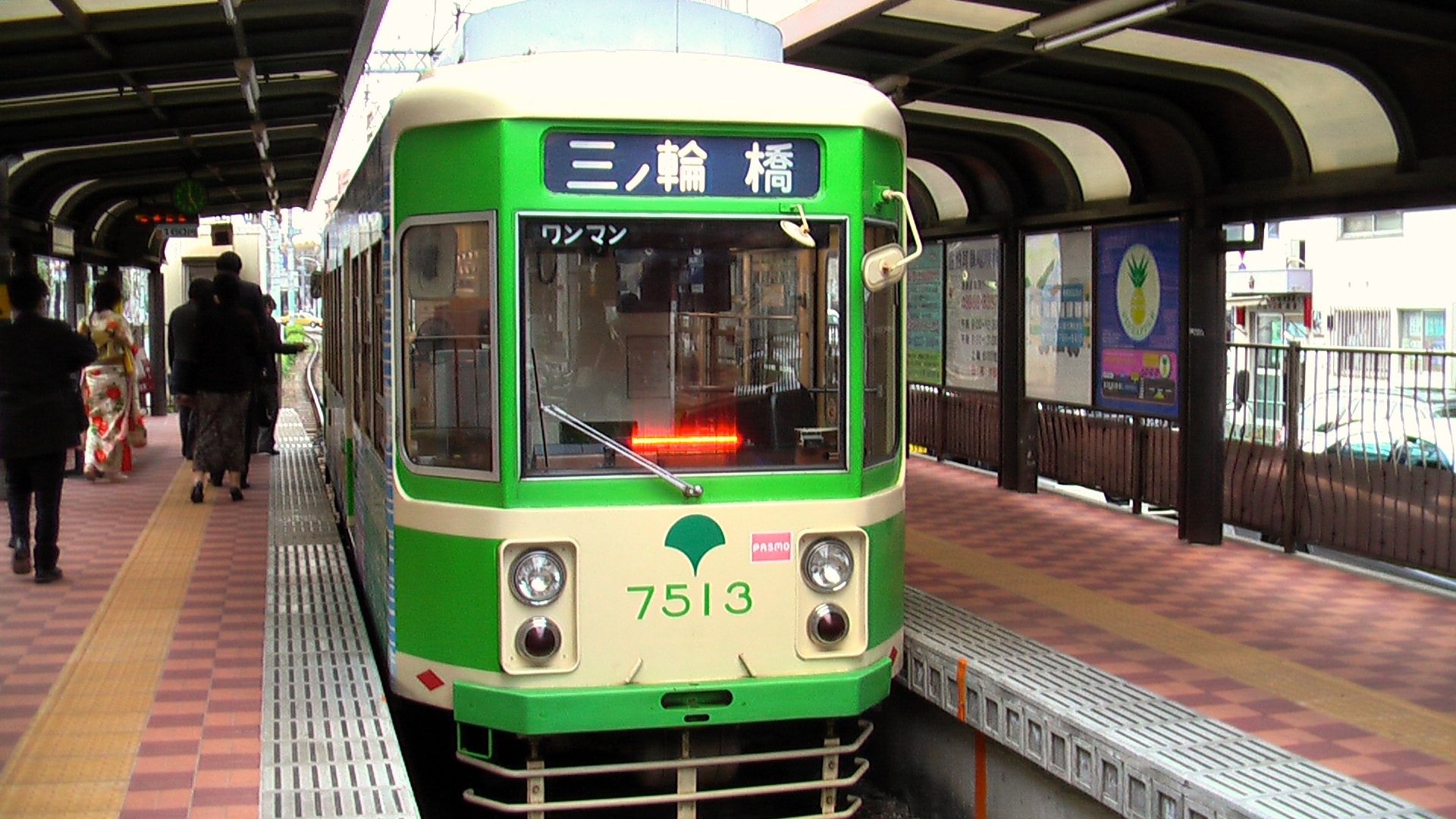
The Oji Electric Tramway opened the Omokagebashi–Waseda section on March 30, 1930. Today it forms the western terminus of the Tokyo Sakura Tram, officially the Toden Arakawa Line.
The tram stop is not the same place as Tokyo Metro’s Waseda Station. It lies farther north near the river and brings passengers from Zoshigaya, Otsuka, Oji and Minowabashi. The district therefore developed one approach around the main campus and another along the river corridor.
The Tozai Line opened through Waseda in 1964, and the Fukutoshin Line added Nishi-waseda Station in 2008. These connections reduced the need for every student to live nearby while expanding the university’s reach.
Disaster Changed the Buildings, Not the Urban Pattern
The Great Kanto Earthquake of 1923 damaged the university, although Waseda did not suffer the same scale of fire destruction as many eastern districts. Surviving school buildings sheltered evacuees.
Wartime air raids later destroyed university, shrine and neighborhood buildings. Waseda University lost several major facilities, and Ana-Hachimangu’s prewar structures were also destroyed.
These losses explain why much of Waseda’s visible architecture is reconstructed or postwar. Historical continuity is often clearer in locations, routes and institutions than in original building fabric.
Postwar Expansion Renewed the Street Economy
After the war, the university rebuilt under Japan’s new education system. Four-year curricula began in 1949, and graduate education expanded during the 1950s.
A larger student body renewed demand for rooms, books, meals and meeting places. Waseda became strongly associated with literature, theater, film, journalism and political activism. The Theatre Museum and student clubs supported performance culture, while cafes, bookstores and rented halls extended university life beyond classrooms.
Students were never the district’s only population. Shopkeepers, printers, shrine staff, families and office workers continued to share the same streets.
Why Waseda Still Works as a University Town
Modern Waseda remains dominated by the university, but it is not a closed campus town. Ana-Hachimangu continues as an active religious institution. Families live beside students. Restaurants serve office workers and visitors as well as the university population. Printers, publishers and bookshops survive in altered forms.
What holds the district together is movement. People travel between classrooms, shrines, rooms, restaurants, bookshops and several transit stops. The university enlarged that circulation, but it still uses routes first shaped by the older landscape.
What to Look For Today
Ana-Hachimangu and the High Ground
Read the shrine as a destination that predates the university, then notice how the ground falls toward the north and east.
Campus Gates and Nearby Shops
Compare the monumental campus with the small restaurants, apartment entrances and shops immediately outside it. This boundary is where academic schedules become neighborhood commerce.
Okuma Auditorium and the Former Library
These interwar buildings show when Waseda became a public cultural institution as well as a school.
Waseda-tsurumakicho
East and north of the campus, housing and small businesses preserve part of the mixed district that supported publishing, printing and student life.
The Kanda River and Tram Terminus
The lower river landscape reveals a different Waseda from the main campus. The tram creates an entrance that the subway does not replace.
How Waseda’s Layers Fit Together
| Historical layer | Main movement | Local economy | What remains |
|---|---|---|---|
| Village and shrine landscape | Farmers, residents and worshippers | Agriculture and local exchange | Topography, shrine site and older route relationships |
| Tokyo Senmon Gakko | Students and teachers | Rooms, food, stationery and books | Campus location and surrounding street pattern |
| Expanding university | Lectures, ceremonies and visitors | Publishing, printing, bookshops and restaurants | Okuma Auditorium, former library and cultural facilities |
| Streetcar and subway era | Commuters from several directions | Larger customer base and less dependence on nearby housing | Several stations rather than one central station plaza |
| Contemporary Waseda | Students, residents, worshippers, workers and visitors | Education, food, services and culture | A walkable mixed district rather than a closed campus |
Timeline
- 1062: Ana-Hachimangu’s official tradition connects the site with Minamoto no Yoshiie.
- 1636–1641: The shrine’s documented early modern development is linked to archery and Hachiman worship.
- 1882: Tokyo Senmon Gakko opens.
- 1902: The institution adopts the name Waseda University.
- 1920: Waseda receives legal university status.
- 1923: The Great Kanto Earthquake damages the campus.
- 1925–1928: The library, Okuma Auditorium and Theatre Museum strengthen the campus’s public role.
- 1930: The Omokagebashi–Waseda tram section opens.
- 1945: Air raids destroy university, shrine and neighborhood buildings.
- 1949: Waseda begins four-year curricula under the postwar education system.
- 1964: The Tozai Line opens through Waseda.
- 2008: The Fukutoshin Line opens with Nishi-waseda Station.
Frequently Asked Questions
Why is Waseda known as a student town?
The university created a large recurring population that needed rooms, food, books, printing and transport. Those services accumulated around an older village, shrine and river landscape.
What was here before Waseda University?
The area was a near-city agricultural landscape of fields, village homes, roads, waterways and religious sites. Ana-Hachimangu predates the university.
Are the subway and tram stations the same?
No. Tokyo Metro Waseda Station is near the main campus. The Waseda tram terminus is farther north near the Kanda River. Nishi-waseda Station is another gateway on the Fukutoshin Line.
Why did publishing and bookshops develop here?
The university produced demand for textbooks, journals and literary work, while the wider Ushigome–Ichigaya area already supported printing and binding industries.
The University Enlarged an Older Flow of People
Waseda became a university town because a modern school concentrated people and daily needs along routes that already connected high ground, shrine visits, villages and the Kanda River.
Students created demand for rooms, books and inexpensive food. Publishers and printers connected that demand with a wider urban industry. Streetcars and subways expanded the district’s reach without giving it one dominant station plaza.
The campus is now the largest institution in the neighborhood, but the reason Waseda works lies in the relationship between education and the older landscape beneath it.
Related Neighborhood Histories
Read the history of Shinjuku for the wider municipality, or the history of Kagurazaka for another district shaped by slopes, religious institutions, publishing and entertainment.
Sources and Further Reading
- Waseda University: History
- Waseda University Library: History
- Waseda Culture: Okuma Auditorium and cultural facilities
- Waseda Aizu Museum: Former library building
- Ana-Hachimangu: Official history
- Shinjuku City: Takadanobaba yabusame
- Tokyo Metropolitan Bureau of Transportation: Toden history
- Tokyo Metro: Line history
Walk Tokyo with TimeWalk Japan
Waseda is best understood on foot. Walk from Ana-Hachimangu to the campus, then descend toward the Kanda River and tram terminus to see how several historical landscapes meet. Current English-friendly and bilingual activities are listed on the TimeWalk Japan Meetup page.