A shogun turned this Tokyo hill into a public party ground—then the same neighborhood helped mass-produce the paper, banknotes and stamps of modern Japan.
Oji can feel like several unrelated places packed around one station. Cherry trees cover Asukayama. A shrine tied to medieval Kumano worship stands above a landscaped river. Fox legends surround another shrine nearby. Trains, trams and roads squeeze through the valley below, while museums and an operating government printing plant preserve the memory of Japan’s industrial transformation.
These layers are connected by geography. Oji sits where the Musashino Plateau drops toward the Shakujii River lowlands. High ground offered sacred sites, views and relative protection from flooding. Water and transport routes supported farming, leisure and later industry. The same terrain was repeatedly reinterpreted: first as a shrine landscape, then as an Edo excursion destination, then as a center of papermaking and state printing, and finally as a modern transport and museum district.
Quick Facts
- Japanese name: 王子
- Municipality: Kita City, Tokyo
- Main access: Oji Station, Oji-ekimae and Asukayama stops
- Known for: Oji Shrine, Oji Inari, Asukayama Park, cherry blossoms, papermaking history and the Tokyo Sakura Tram
- Key topography: the eastern edge of the Musashino Plateau above the Shakujii River
- Major turning points: Yoshimune’s cherry planting, Meiji papermaking, railway opening, wartime destruction and postwar flood control
Why Oji Became What It Is Today
Oji developed because several useful landscapes met in one place. The plateau edge provided elevated ground for worship and scenic views. The river valley supplied water and created a natural transport corridor. Roads connected Edo with settlements to the north. In the eighteenth century, shogunal promotion turned Asukayama into a celebrated leisure destination. In the nineteenth century, industrialists and government officials saw the same area as a location for machine-made paper and secure state printing.
The railway strengthened all of these functions. It carried visitors to the park, workers and materials to industry, and commuters through northern Tokyo. Later roads, trams and subways intensified access while also dividing the district. Oji’s present landscape is therefore not a collection of isolated attractions. It is the result of repeated attempts to use the same hill, river and gateway more efficiently.
A Plateau Edge above the River
Asukayama forms part of the raised Musashino Plateau, while the Shakujii River cuts through lower ground beside it. Around Oji Station, this contrast remains unusually visible. Wooded slopes rise beside tracks and roads, and bridges and underpasses connect places that are geographically close but separated by elevation and infrastructure.
Before modern engineering, the high ground offered views and sites less exposed to ordinary flooding. The lowland concentrated water, cultivation and movement. These advantages first supported shrines, villages and roadside activity. Later, factories valued water, available land and access to the growing city.
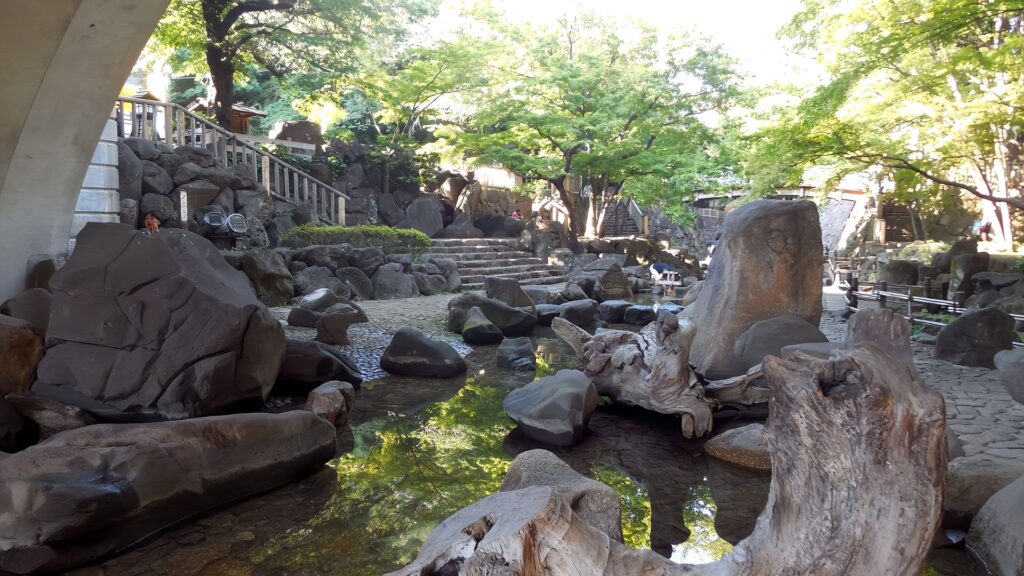
The river itself has changed. Embankments, channel improvements and bypass works altered its course and reduced flood risk. Otonashi Water Park now evokes an older riverside landscape through designed water, stonework, bridges and planting. It is a modern interpretation of history rather than an untouched Edo scene.
Oji Shrine and the Name of the District
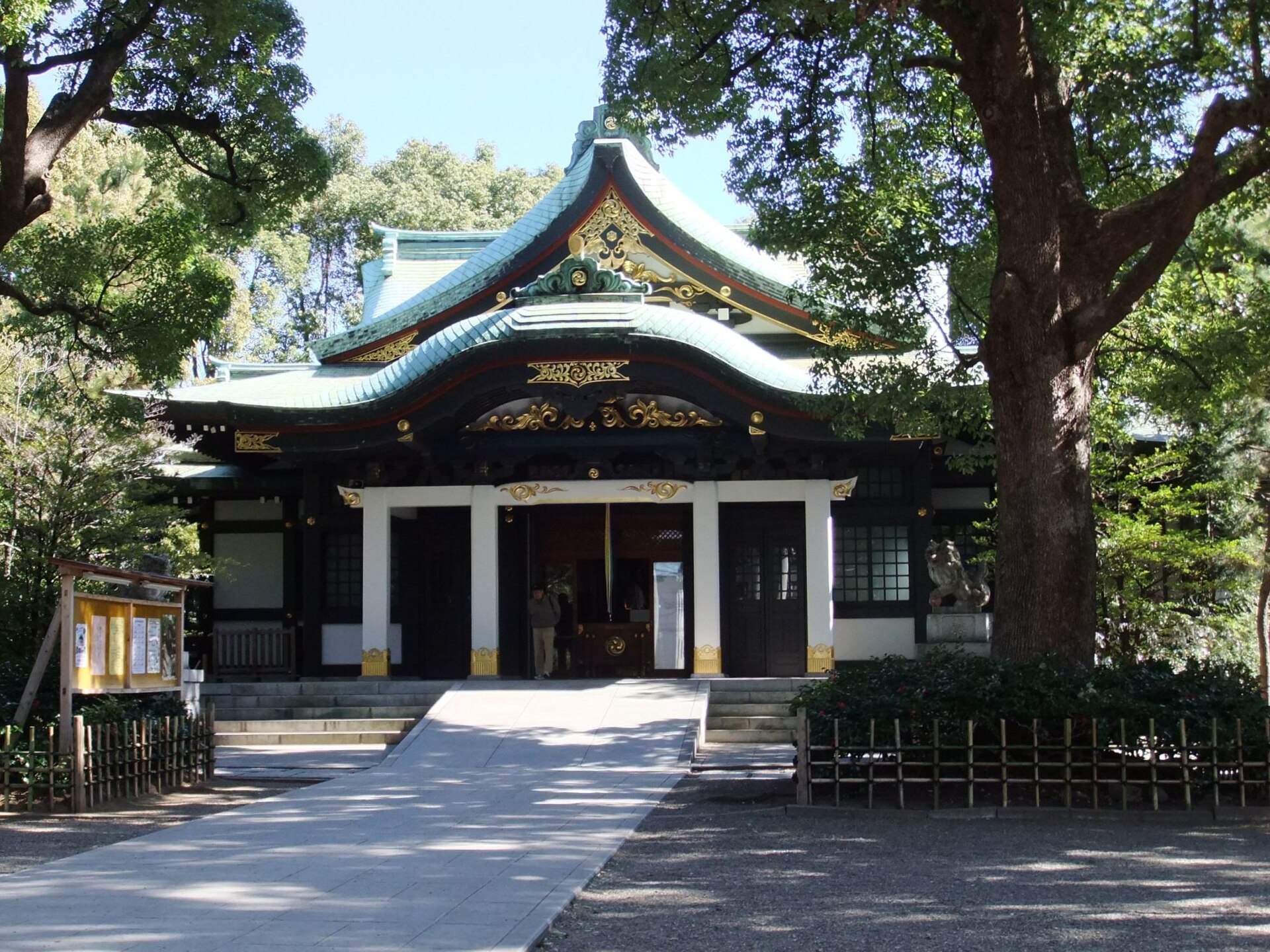
The name Oji is closely connected with Oji Shrine, historically called Oji Gongen. The shrine belongs to the broader tradition of Kumano worship, which spread from the Kii Peninsula through medieval Japan. The term oji was used for subsidiary deities and sacred places associated with the Kumano pilgrimage landscape.
The shrine’s precise early history is preserved mainly through later tradition, so medieval dates should be treated carefully. What is clear is that it became a major local sanctuary and helped give the surrounding district its name. Oji was not simply a village that happened to contain a shrine; the shrine helped define the identity of the place.
Oji Inari and the Foxes of New Year’s Eve
Oji Shrine and Oji Inari are separate religious institutions. Oji Inari belongs to the widespread worship of Inari, a deity associated with rice, agriculture, prosperity and later commercial success.
The shrine became famous through a story that foxes from across the Kanto region gathered at Oji on New Year’s Eve before visiting the shrine. Foxes are regarded as Inari’s messengers, and the legend entered Edo popular culture through prints and stories. Today’s fox procession draws on that memory.
For overseas visitors, the two shrines reveal different sides of Japanese religious geography. One connects Oji with Kumano-derived worship; the other became famous through Inari devotion and urban folklore. Their proximity made Oji a dense sacred landscape long before industry and railways arrived.
Yoshimune Creates a Cherry-Blossom Destination
In 1720–21, the eighth Tokugawa shogun, Yoshimune, ordered cherry trees planted on Asukayama. The project formed part of a broader effort to create accessible recreation sites around Edo.
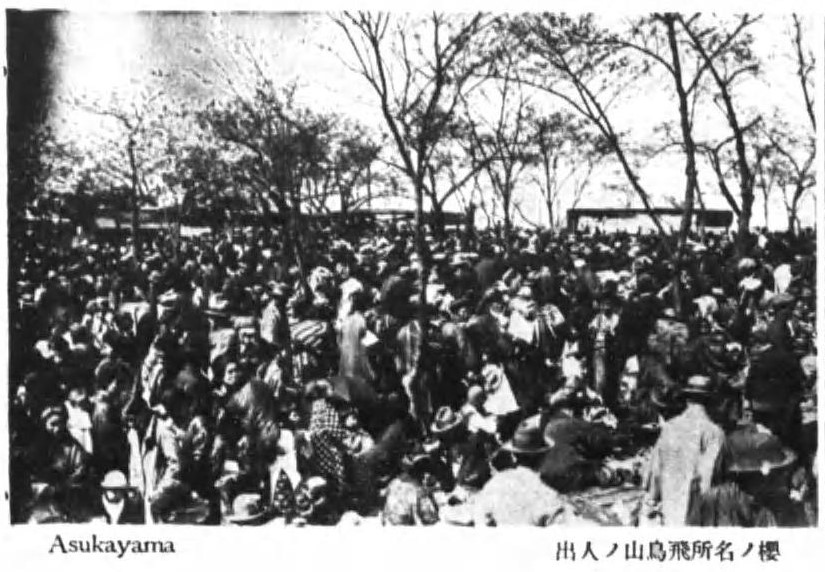
Asukayama became known for a relaxed style of blossom viewing. Visitors ate, drank, performed and enjoyed the view from the plateau edge. This differed from more tightly regulated temple precincts such as Ueno. The hill became an important destination for ordinary urban residents, not just elites.
Yoshimune did not create the district from nothing. Shrines, roads and river scenery already existed. His intervention changed Oji’s scale and reputation by turning an established landscape into a citywide attraction.
How Prints Made Oji Famous
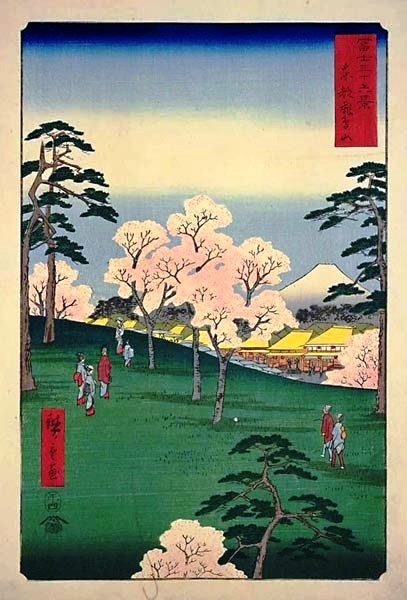
Woodblock prints and guidebooks transformed Oji into one of Edo’s recognized famous places. Artists emphasized cherry-covered slopes, distant views, crowds and seasonal atmosphere. These images were commercial compositions rather than photographs, but they show what audiences expected to find when they visited.
This media reputation mattered. Oji was not merely scenic; it was repeatedly represented as scenic. The district’s later industrial image would develop through a similar process, as brick factories and smokestacks appeared in prints and photographs as symbols of modern progress.
One of Japan’s First Official Public Parks
In 1873, Asukayama was included among the sites officially designated as public parks by the Meiji government. It is accurate to call it one of Japan’s first officially designated public parks, rather than the single first park.
The designation placed an Edo leisure ground inside a modern administrative system. Cherry-blossom viewing continued, but paths, facilities and management changed. Over time, museums, monuments, playgrounds and transport infrastructure accumulated on and around the hill.
Why Modern Papermaking Came to Oji
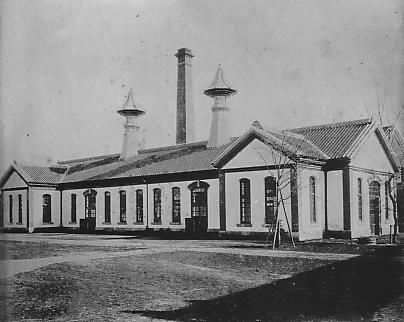
Meiji Japan needed enormous quantities of Western-style machine-made paper for schools, ministries, newspapers, books and commercial records. In 1873, investors received permission to establish Shoshi Kaisha, the Papermaking Company. Shibusawa Eiichi played a major organizing role, but the enterprise also depended on investors, imported machinery, engineers, workers and large institutional customers.
The company selected Oji for its mill in 1874 and began operating in 1875. Water was essential to papermaking, and the district also offered land near the capital. The company later became Seishi Kaisha and adopted the name Oji Paper in 1893.
The transformation was symbolic as well as economic. A landscape made famous through printed images became a place that manufactured the material on which modern information circulated.
The Government Printing Bureau
A separate state institution also developed in Oji. The Ministry of Finance established a government papermaking bureau in 1875, and operations began the following year. This organization supported domestic production of banknotes, stamps and official printed materials.
The private Oji Paper company and the government bureau were not the same organization. They shared locational advantages—water, land, access to Tokyo and growing demand—but followed different institutional histories.
The National Printing Bureau’s Oji Plant remains active today and produces postage stamps and other securities. Few Tokyo neighborhoods preserve such a direct institutional link with the information infrastructure of the early Meiji state.
Railways Turn Oji into a Northern Gateway
In 1883, the railway between Ueno and Kumagaya opened with a station at Oji. The tracks occupied the narrow corridor below the plateau edge, strengthening access to factories and making Asukayama easier to reach.
Railways did not cause Oji’s industrialization from nothing; major papermaking facilities already existed. Instead, rail access amplified the value of a district chosen for water, land and proximity to central Tokyo. Later trams, buses and the Namboku subway line turned Oji into a multimodal transport center.
The infrastructure also fragmented the neighborhood. Tracks, roads, the river and steep slopes force pedestrians into bridges, underpasses and narrow crossings. Oji became easier to reach from far away while remaining surprisingly difficult to cross at street level.
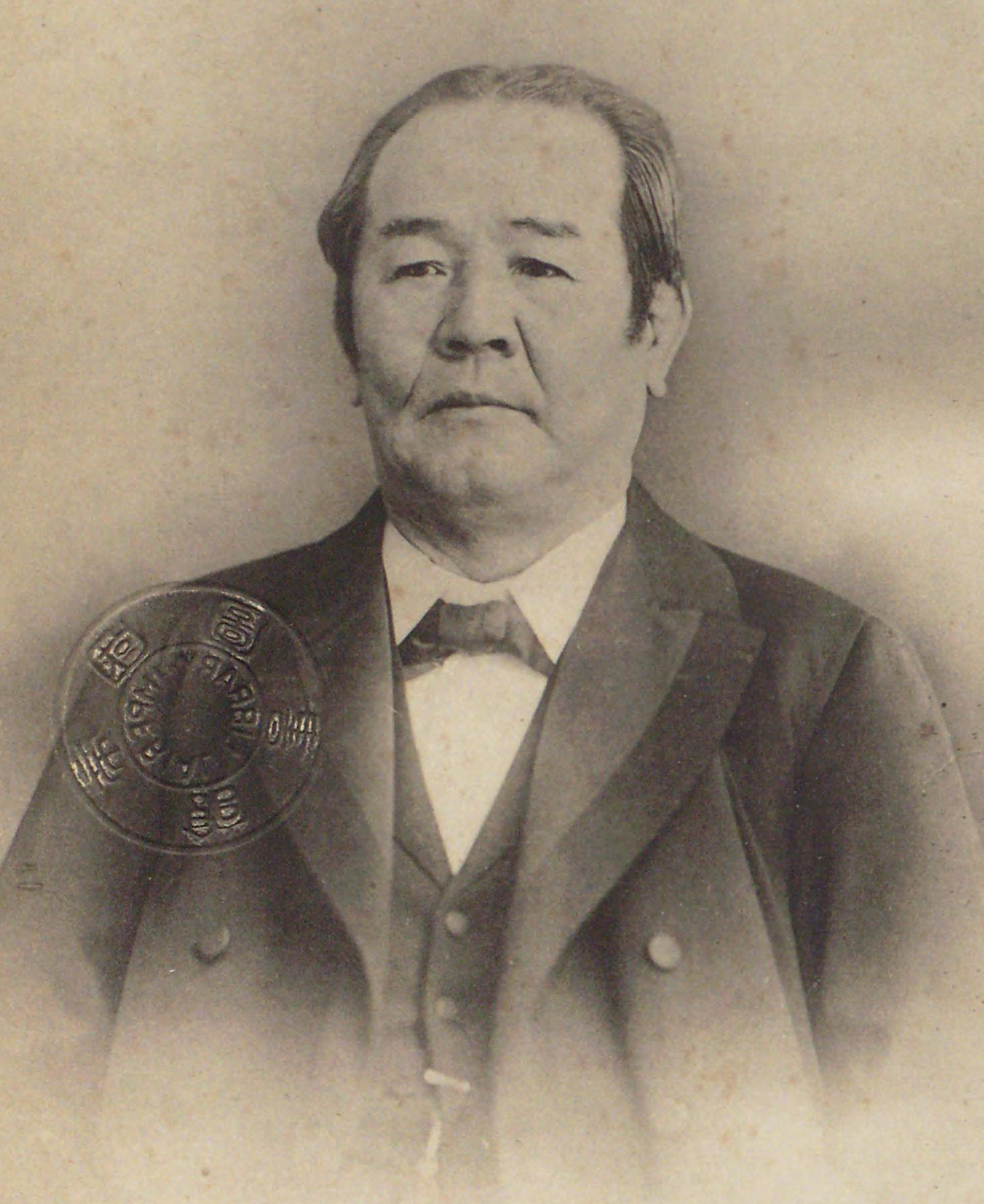
Shibusawa Eiichi at Asukayama
Shibusawa Eiichi’s connection with Oji began through the papermaking company. He later established an estate at Asukayama and lived there from 1901 until his death in 1931.
Two surviving buildings help explain the estate’s public role. Bankoro served as a reception house, while the Seien Bunko library commemorated Shibusawa’s career. Japanese leaders and overseas guests were received there, linking private residence, business networks, philanthropy and informal diplomacy.
Disaster, War and the Loss of the Factory Landscape
The Great Kanto Earthquake of 1923 damaged industrial and printing facilities across Tokyo. Damage varied by site, but Oji’s factories and transport networks faced major disruption.
Air raids in 1945 caused a deeper rupture. The Oji Paper mill was devastated, homes and shops were destroyed, and Oji Shrine’s buildings were lost and later reconstructed. The prewar industrial landscape did not return in its earlier form.
The Paper Museum opened in 1950 on the former mill site and later moved to Asukayama. Industrial space was gradually converted into memorial and museum space, allowing a lost factory district to remain part of Oji’s public identity.
The River Is Rebuilt as Memory
Flood control transformed the Shakujii River after severe twentieth-century flooding, including the 1958 Kanogawa Typhoon. Channel works and a bypass reduced risk but removed parts of the older Otonashi landscape and the Oji weir.
Otonashi Water Park opened in 1988 along part of the former course. Its bridges, stone surfaces, greenery and flowing water evoke the older river valley while serving modern recreation. The park demonstrates how Oji preserves history through reconstruction and design rather than through complete physical survival.
Oji Today
Modern Oji combines JR trains, the Tokyo Metro Namboku Line, the Tokyo Sakura Tram, buses and major roads. Asukayama remains a popular cherry-blossom destination, while the shrine district preserves active religious traditions. Museums explain papermaking, local history and Shibusawa Eiichi’s career.
The district is still changing. Station-area planning and a future Kita City government complex are intended to improve public space and pedestrian connections. The central challenge remains the same one created by Oji’s historical success: how to connect a place divided by the very transport routes that made it important.
What to Look For Today
- Oji Shrine: the reconstructed sanctuary that gave the district its name.
- Oji Inari: an active shrine associated with Inari worship and the New Year fox legend.
- Asukayama Park: an Edo leisure ground that became one of Japan’s first officially designated public parks.
- Otonashi Water Park: a designed memory of the river after modern flood-control works.
- Paper Museum: the clearest introduction to Oji’s role in Japanese papermaking.
- Former Shibusawa garden: surviving buildings from an estate used for residence and reception.
- National Printing Bureau Oji Plant: a continuing link with Meiji state printing.
- Railway and tram corridor: infrastructure that made Oji accessible while dividing its streets.
Timeline
| Medieval tradition | Oji Gongen develops through Kumano-related worship. |
| 1720–21 | Tokugawa Yoshimune orders cherry planting at Asukayama. |
| 1873 | Asukayama becomes one of Japan’s first officially designated public parks; the private papermaking company is authorized. |
| 1875–76 | Private and government papermaking operations begin in Oji. |
| 1883 | Oji Station opens on the Ueno–Kumagaya railway. |
| 1893 | The private company adopts the name Oji Paper. |
| 1901–31 | Shibusawa Eiichi lives at his Asukayama estate. |
| 1923 | The Great Kanto Earthquake disrupts industry and printing. |
| 1945 | Air raids devastate the mill and parts of the district. |
| 1950 | The Paper Museum opens on the former mill site. |
| 1988 | Otonashi Water Park opens. |
| 1998 | The Paper Museum relocates to Asukayama Park. |
Frequently Asked Questions
Why is Oji historically important?
It combines a major shrine landscape, an Edo cherry-blossom destination, early modern papermaking and government printing, and a northern Tokyo railway gateway.
Was Asukayama Japan’s first public park?
It was one of the first places officially designated as a public park in 1873. Calling it the single first park oversimplifies the designation.
Are Oji Shrine and Oji Inari the same place?
No. Oji Shrine is associated with Kumano-derived worship, while Oji Inari is an Inari shrine famous for fox traditions.
Why did papermaking develop in Oji?
The district offered water, land near Tokyo, growing institutional demand and improving transport. Both a private company and a government bureau used these advantages.
What happened to the old Oji Paper mill?
It was devastated during the 1945 air raids, and the prewar factory landscape did not return. Museums and monuments now interpret its history.
Sources and Further Reading
- Kita City Asukayama Museum: Cherry-Blossom Viewing at Asukayama
- Kita City Asukayama Museum: Otonashi River and Oji Weir
- Kita City Asukayama Museum: Asukayama and Oji Paper
- Paper Museum: History of the Museum
- Shibusawa Memorial Museum: Former Shibusawa Garden
- National Printing Bureau: History
- National Printing Bureau: Oji Plant
- Oji Holdings: Corporate History
Conclusion: A Landscape Reused Again and Again
Oji’s history is visible in the short distance between a shrine gate, a river channel, a cherry-covered hill and a railway platform. Sacred geography became popular scenery. Scenery became public leisure. Water and access attracted paper and printing. Railways supported industry and visitors. War removed much of the earlier built landscape, while museums and parks reconstructed its memory.
What makes Oji remarkable is not that one period survived unchanged. It is that the same terrain repeatedly acquired new national importance—from shogunal recreation to the paper and printing infrastructure of modern Japan.