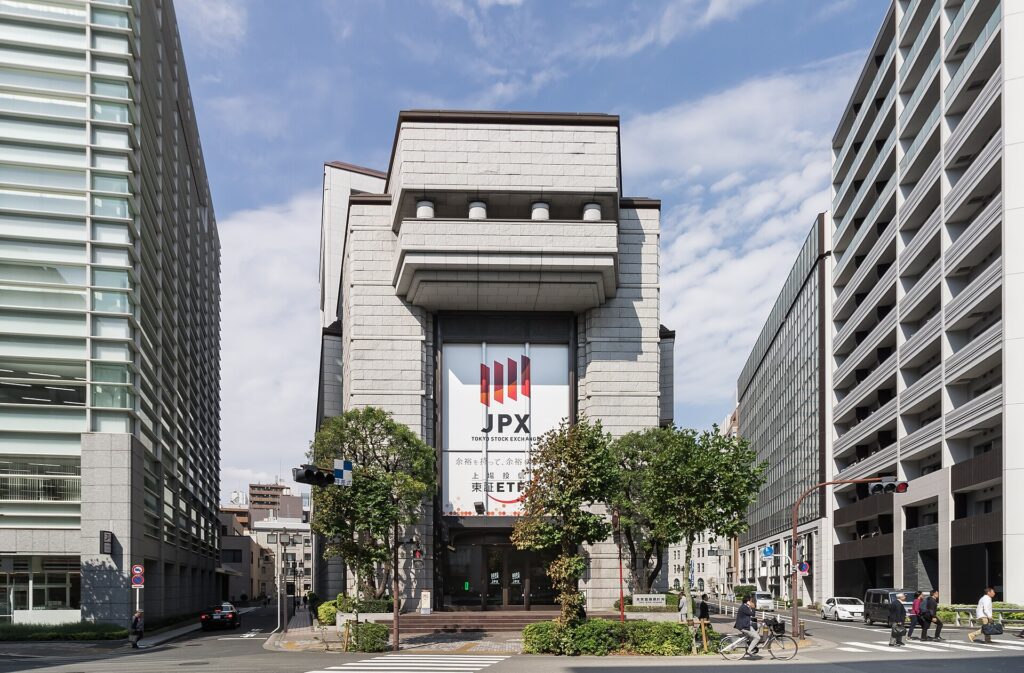
Japan’s best-known financial district did not begin with banks. It began when the Tokugawa government created and controlled new waterfront land beside Edo Castle.
Kabutocho later became the home of Japan’s first national bank and the Tokyo Stock Exchange because the same location already connected political authority, merchants, waterways and information. Finance did not appear here by accident. It reused a strategic district built for the castle city.
The neighborhood’s history follows one repeated pattern: land, institutions and communication were concentrated in a few blocks. Samurai estates occupied the reclaimed waterfront first. Banks and brokers followed after the Meiji Restoration. Electronic trading eventually reduced the need for physical proximity, forcing Kabutocho to find a new public role.
The Castle City Needed New Waterfront Land
In the early seventeenth century, the future Kabutocho area was part of a low, wet landscape near the mouth of the Nihonbashi River. Edo Bay reached farther inland than it does today.
Building a capital around Edo Castle required more usable ground. Workers dug canals, raised marshy land and reinforced riverbanks. Soil removed during castle and waterway construction helped create new plots beside navigable water.
This reclaimed land served two purposes. It expanded the city close to the castle, and it preserved access to river transport. Boats could carry timber, fuel, food and other heavy goods more efficiently than carts moving through crowded streets.
Kabutocho’s later financial importance began with this geography. The area stood between government power at the castle, commercial activity in Nihonbashi and transport on the river.
Samurai Estates Controlled the Strategic Waterfront
During the Edo period, Kabutocho was not a market district. The Tokugawa government assigned important sites to trusted lords and maritime retainers.
A daimyo estate was more than a private mansion. It was a large compound containing the lord’s residence, quarters for retainers and servants, storehouses, gardens and working spaces. Such estates could occupy substantial urban blocks and shape nearby roads.
Local histories identify a major Makino family estate near the present Tokyo Stock Exchange. The area’s name is associated with a kabuto-zuka, or helmet mound. Several warrior legends explain the mound, but none can be treated as the single proven origin of the name.
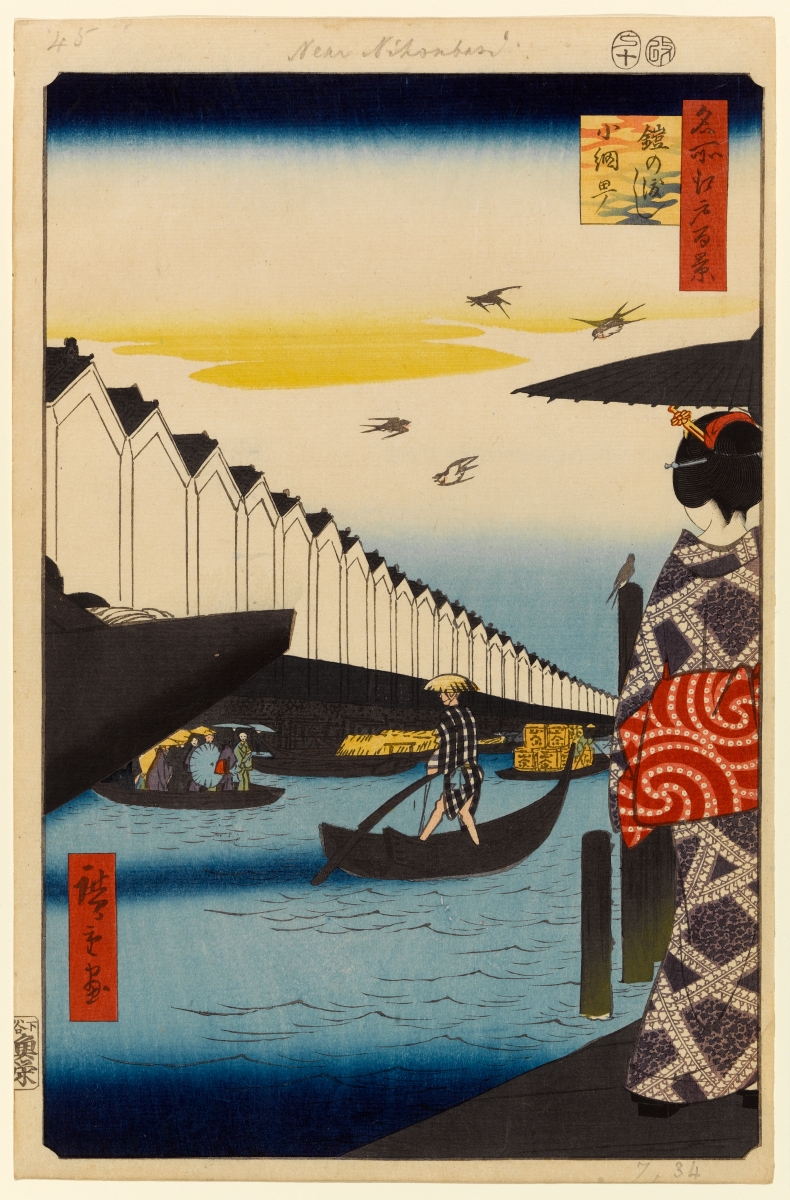
Water also organized daily movement. Yoroi Ferry crossed the Nihonbashi River before a permanent bridge replaced it. Nearby landings connected the estate district with Nihonbashi’s merchant economy.
The Meiji Restoration Released Large Central-City Sites
The Meiji Restoration ended the political system that supported daimyo estates. Former warrior compounds became government property or were sold, granted and reassigned.
Kabutocho suddenly offered large sites close to the established merchants of Nihonbashi and the institutions of the new national government. This combination made it suitable for offices, banks and other modern organizations.
The physical character of the neighborhood also changed. Samurai compounds had controlled access behind walls. Banks and exchanges needed entrances, signs, customers, clerks, documents and deliveries. The district became more open to business traffic while remaining concentrated around powerful institutions.
Modern Banking Took Root beside the Old Commercial City
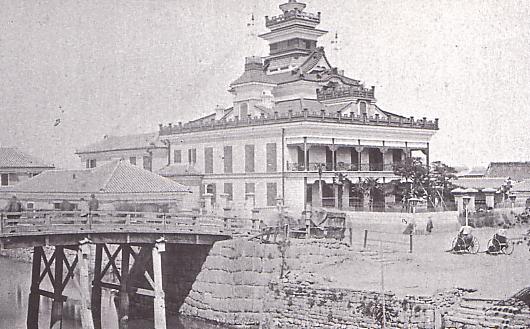
The First National Bank opened in Kabutocho in 1873. Despite its English name, it was not Japan’s central bank. It was an early licensed commercial bank established under the National Bank Ordinance.
The bank accepted deposits, made loans and handled payments. Eiichi Shibusawa helped design the system while working in government and later became the bank’s leading executive. Mitsui and Ono business interests also contributed to its formation.
The location was practical. Nihonbashi already had merchant networks, while government offices and river transport were nearby. Kabutocho allowed new banking institutions to connect public policy with private capital and established commerce.
The Stock Exchange Made Proximity Valuable
Government bonds and company shares were increasingly traded during the early Meiji period. A larger securities market needed recognized participants, common rules and a fixed place where prices could be set.
After the Stock Exchange Ordinance was issued in 1878, business leaders including Eiichi Shibusawa and Younosuke Mitsui applied to establish a Tokyo exchange. Trading began in Kabutocho on June 1, 1878.
The exchange strengthened advantages the district already possessed. Banks were nearby. Merchants and transport routes connected it with Nihonbashi. Government offices were within reach. Documents, money and information could move quickly.
Before electronic networks, distance directly affected business. Brokers needed to deliver orders to the trading floor and return results to clients. Clerks recorded contracts, messengers carried paper and banks settled payments.
Securities companies therefore gathered around the exchange. Printers, stationery suppliers, telegraph and telephone services, restaurants and coffee shops followed them. Kabutocho became a financial district because a physical market made every nearby office more useful.
The 1923 Earthquake Rebuilt the District in Stone and Concrete
The Great Kanto Earthquake and the fires that followed destroyed the exchange and much of Kabutocho in 1923. The disaster broke the physical network of offices, documents and messengers that supported trading.
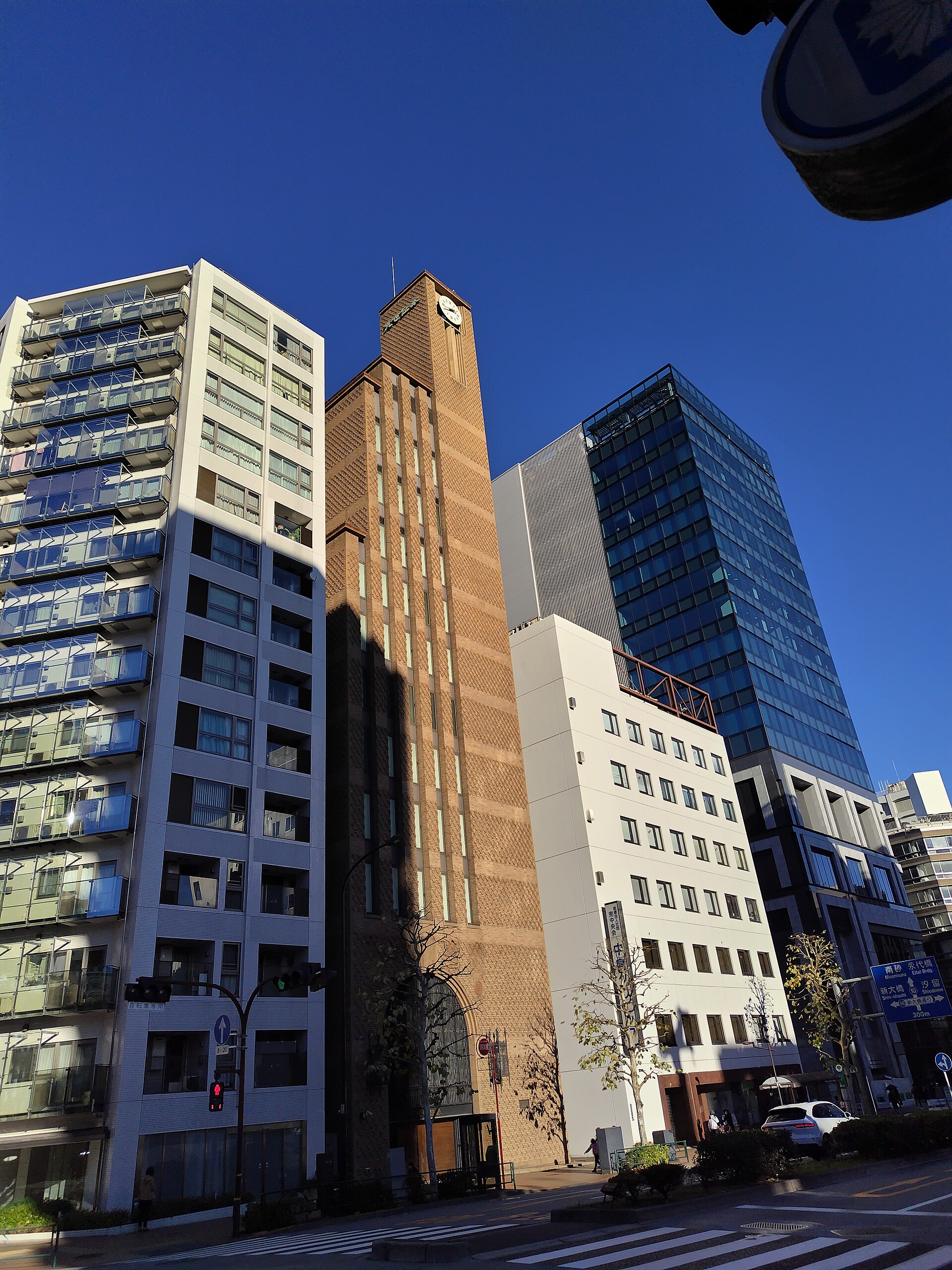
Temporary facilities kept parts of the market operating while reconstruction proceeded. A new Market Building was completed in 1927, followed by the Main Building in 1931. Fire-resistant construction responded to the disaster, while the monumental design projected confidence in the securities market.
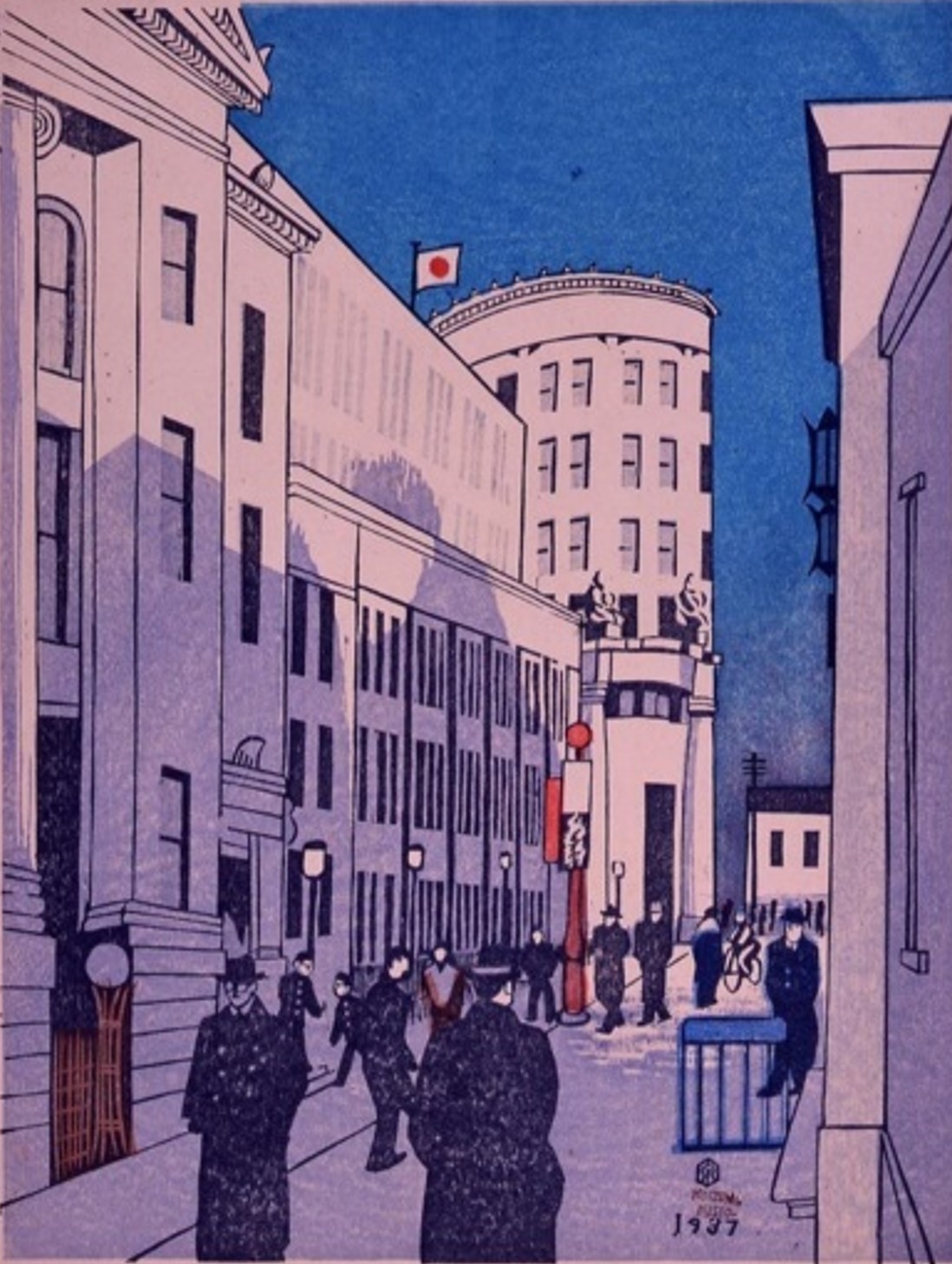
Interwar office buildings around the exchange reinforced Kabutocho’s new image. The district no longer looked like a converted samurai landscape. It had become an institutional center of modern finance.
War and Occupation Changed the Institution, Not the Location
In 1943, Japan’s eleven stock exchanges were merged into the wartime Japan Securities Exchange. Trading on the floor stopped in 1945 as defeat approached.
The Allied occupation did not immediately allow exchanges to reopen. Even so, securities continued to be traded through organized transactions in Kabutocho. Nisshokan, an office building completed in 1928, became an important site for this activity.
A new Securities and Exchange Law took effect in 1948. The postwar Tokyo Stock Exchange was established in 1949 and began trading that May. It was a new institution under a new legal system, but it returned to Kabutocho because the district still contained the buildings, companies and financial identity associated with the market.
Electronic Trading Weakened the Need to Be Nearby
Kabutocho’s financial cluster depended on physical proximity. Computers gradually removed that requirement.
Market information systems appeared in the 1970s, followed by computer-assisted order routing and increasingly electronic trading. Work once performed through paper slips, voices, hand signals and runners moved into computer networks.
The present Tokyo Stock Exchange building was completed in 1988. Its formal exterior preserved the district’s institutional image, while its interior served a market becoming less dependent on a crowded trading floor.
The stock trading floor closed in 1999. TSE Arrows opened in the former floor area the following year as an information, media and visitor space.
Securities firms could now move departments elsewhere or reduce their Kabutocho offices. Fewer workers in the surrounding streets also meant fewer customers for restaurants, printers and specialist services. Finance remained, but its old neighborhood economy weakened.
Kabutocho Is Reusing Its Financial Heritage
Recent redevelopment has not attempted to recreate the former world of brokers and messengers. Instead, Kabutocho is using its financial identity to attract investment firms, fintech businesses, restaurants, hotels, events and visitors.
K5 occupies a restored bank-related building completed in 1923. KABUTO ONE combines offices, meeting spaces, restaurants and a large digital market display. FinGATE facilities provide space for asset managers and other financial businesses.
These projects give physical proximity a new purpose. People no longer need to stand near the exchange to execute trades, but they still benefit from meeting investors, partners and clients in a district recognized as the historic center of Japan’s securities market.
What to Notice When You Visit
Tokyo Stock Exchange and TSE Arrows
The exchange remains Kabutocho’s institutional center. TSE Arrows occupies the former trading-floor area and explains how the market operates. Check current visitor information before going.
The Birthplace of Modern Banking Plaque
A plaque on the Mizuho Bank Kabutocho branch marks the site associated with the First National Bank. It records the location and institutional history; it is not the original 1873 building.
Kabuto Shrine
The small shrine near the river preserves the district’s helmet traditions and its later connection with the securities industry.
Nisshokan
The 1928 office building connects interwar construction, occupation-era securities trading and generations of brokerage firms.
Yoroi Bridge and the Nihonbashi River
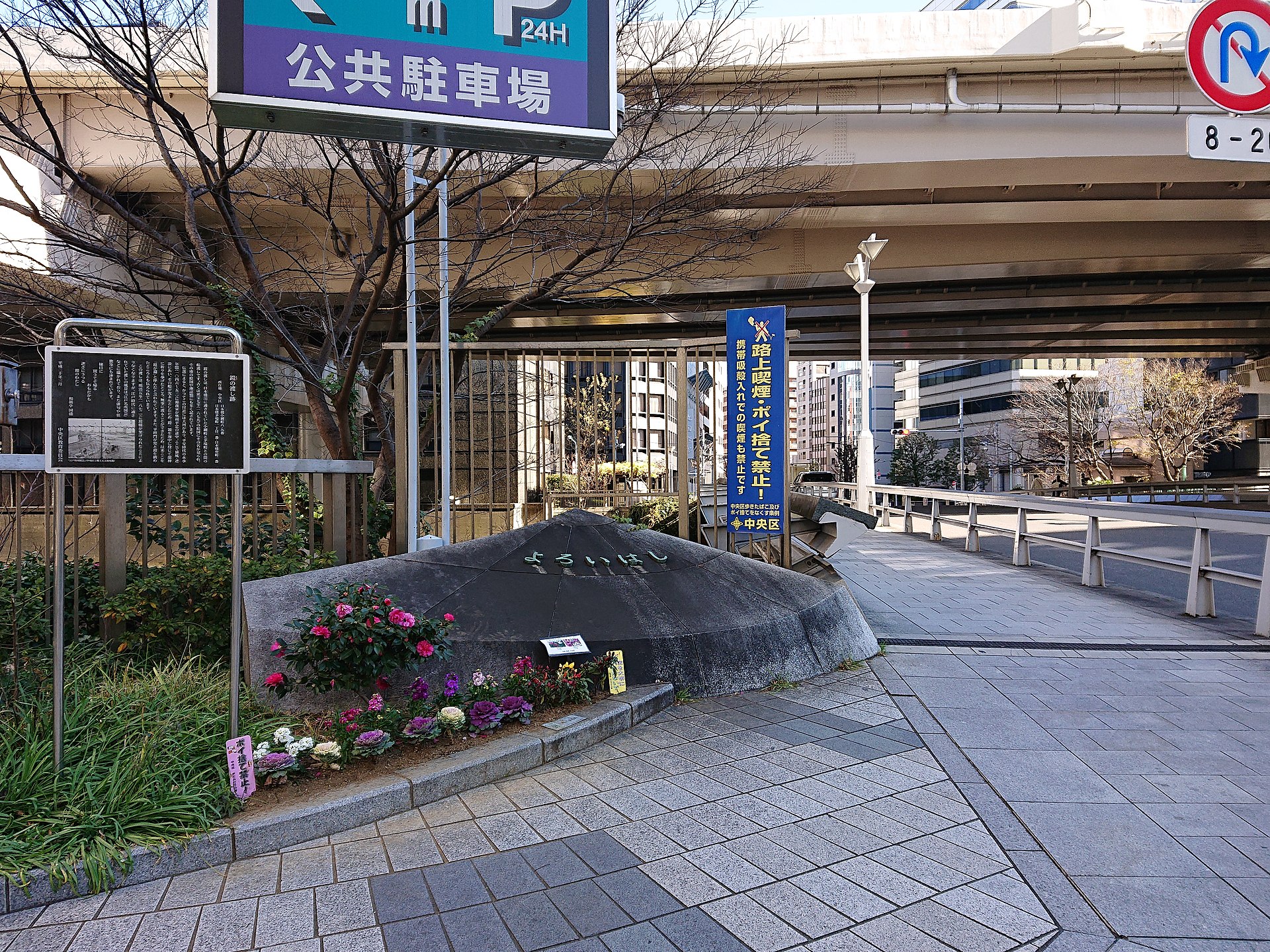
The bridge replaced an older ferry but continued the same basic function: connecting Kabutocho with the commercial city across a working river.
How Kabutocho’s History Fits Together
| Stage | What changed | What it created |
|---|---|---|
| Castle-city construction | Wet waterfront land was raised and canals were organized. | Strategic sites close to government, merchants and river transport. |
| Samurai district | Trusted lords occupied large estates. | Concentrated landholding beside Edo’s political center. |
| Meiji reorganization | Former estates were reassigned to modern institutions. | Large central-city sites for banks and offices. |
| Stock exchange | Trading required brokers, clerks, banks and messengers to work nearby. | Japan’s specialist securities district. |
| Electronic trading | Orders and prices moved through computer networks. | Physical proximity became less necessary. |
| Contemporary renewal | Historic buildings and financial identity gained new uses. | A district combining finance, hospitality, events and heritage. |
Timeline
- Early 1600s: Waterfront land is raised during construction of the Edo castle city.
- Edo period: Samurai estates, ferries and river landings occupy the area.
- 1873: The First National Bank opens in Kabutocho.
- 1878: Stock trading begins at the old Tokyo Stock Exchange.
- 1923: The Great Kanto Earthquake destroys much of the district.
- 1927–1931: The exchange is rebuilt in fire-resistant form.
- 1949: The postwar Tokyo Stock Exchange begins trading.
- 1988: The present exchange building is completed.
- 1999: The stock trading floor closes.
- 2010s–2020s: Adaptive reuse and new financial facilities reshape the district.
Frequently Asked Questions
Why is Kabutocho Japan’s financial district?
Banks and the stock exchange gathered on former samurai land close to Nihonbashi merchants, government offices and river transport. Physical trading then drew securities firms and specialist services into the surrounding streets.
Was Kabutocho a financial district in the Edo period?
No. It was a waterfront district of samurai estates, ferries and river landings. Its financial role began after the Meiji Restoration.
What was the First National Bank?
It was an early licensed commercial bank established in 1873. It was not Japan’s central bank.
Why did securities companies gather near the exchange?
Before electronic trading, firms needed fast physical access to orders, prices, banks, documents and the trading floor.
What changed after the trading floor closed?
Trading continued electronically, but many firms no longer needed offices beside the exchange. The district lost some of its old daytime business and began developing new uses.
The Financial District Began with the Castle City
Kabutocho became Japan’s securities center because each period reused advantages created by the one before it.
The Tokugawa government created and controlled strategic waterfront land. The Meiji state released large estate sites for modern institutions. Banks and the stock exchange connected government, merchants and capital. Brokers then turned the surrounding streets into a communications network.
Electronic trading changed how that network worked, but it did not erase the district’s history. Kabutocho remains a financial address because the center of Japan’s modern market was built on the geography of the old castle city.
Related Stories
For the wider reconstruction context, read How the 1923 Earthquake Changed Tokyo.
Related Neighborhood Histories
Explore the commercial networks that surrounded Kabutocho in the history of Nihonbashi.
Sources and Further Reading
- Japan Exchange Group: History of the Kabuto-cho District
- Japan Exchange Group: Kabuto-cho Places of Interest
- Japan Exchange Group: History of the Stock Trading Floor
- Heiwa Real Estate: Kabutocho and Kayabacho Revitalization
- Shibusawa Eiichi Memorial Foundation: First Bank Corporate Lineage
Join a TimeWalk Japan Event
TimeWalk Japan organizes English-friendly and bilingual history walks, architecture visits and cultural events in Tokyo. See the current schedule on Meetup.