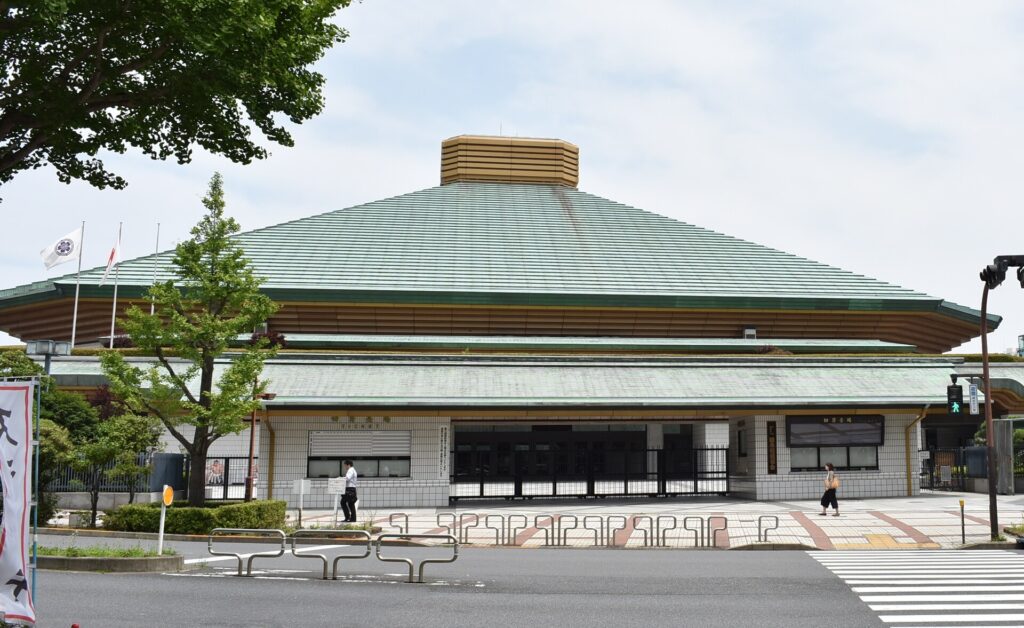
The History of Ryogoku: Bridge, Fire Memorials and the Home of Sumo
How a post-fire bridge, Ekoin memorial culture, river entertainment, sumo, railways and disaster memory shaped modern Ryogoku.
Articles exploring the history, urban form and changing landscapes of Japanese cities and neighborhoods.
How a post-fire bridge, Ekoin memorial culture, river entertainment, sumo, railways and disaster memory shaped modern Ryogoku.
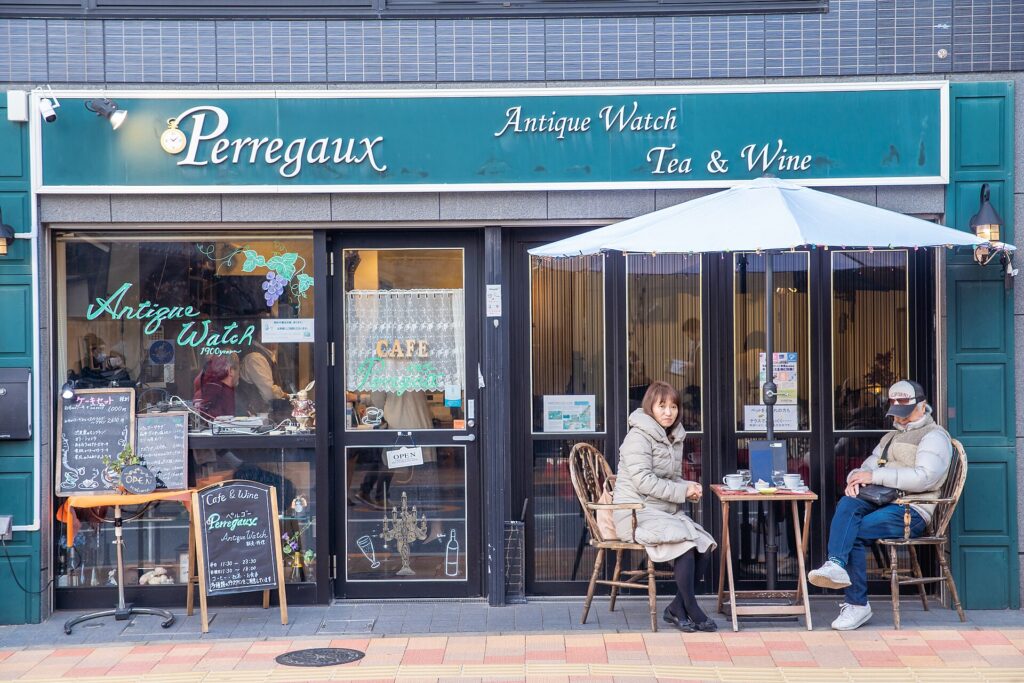
How Edo Castle’s outer moat, samurai estates, temple streets, a geisha district, publishing, war, restaurants and French culture shaped Kagurazaka.
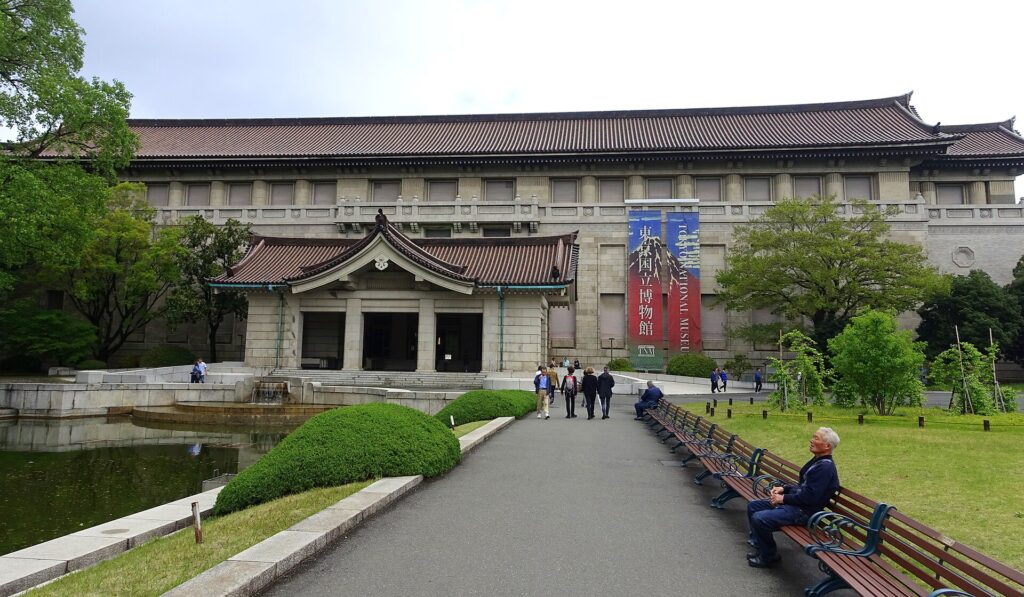
How Kan’ei-ji’s temple city became a battlefield, one of modern Japan’s earliest public parks, a museum district, and Tokyo’s northern railway gateway.
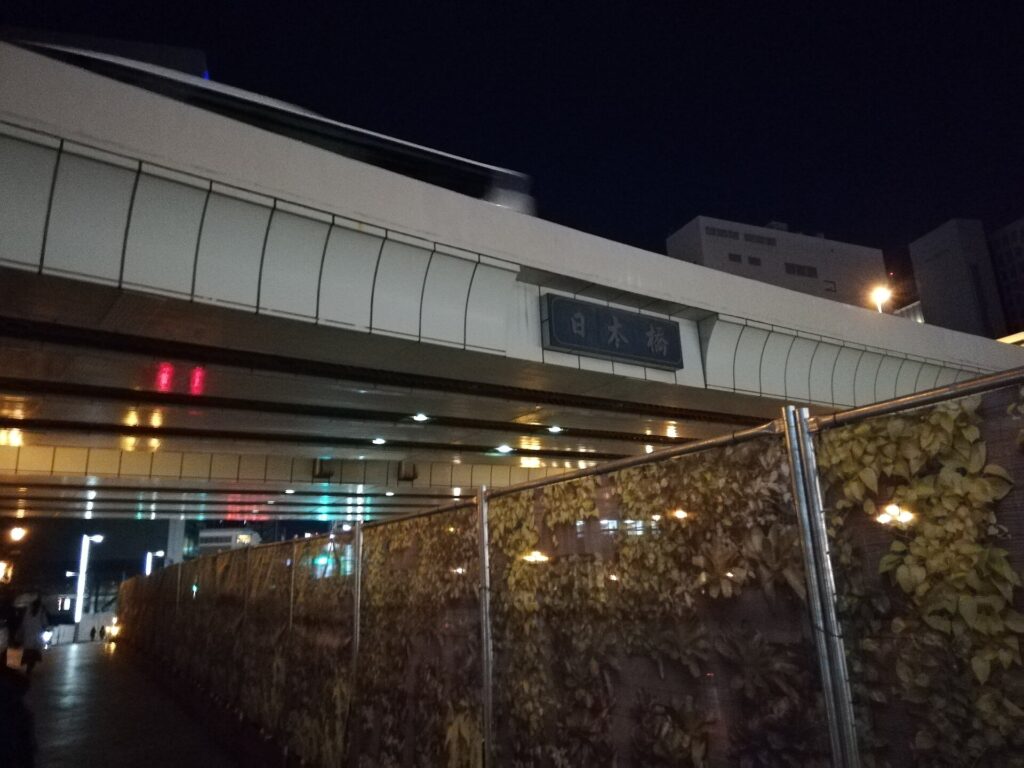
How roads, waterways, fish markets, merchants and finance turned a single bridge into Edo’s commercial center—and left their mark on modern Tokyo.
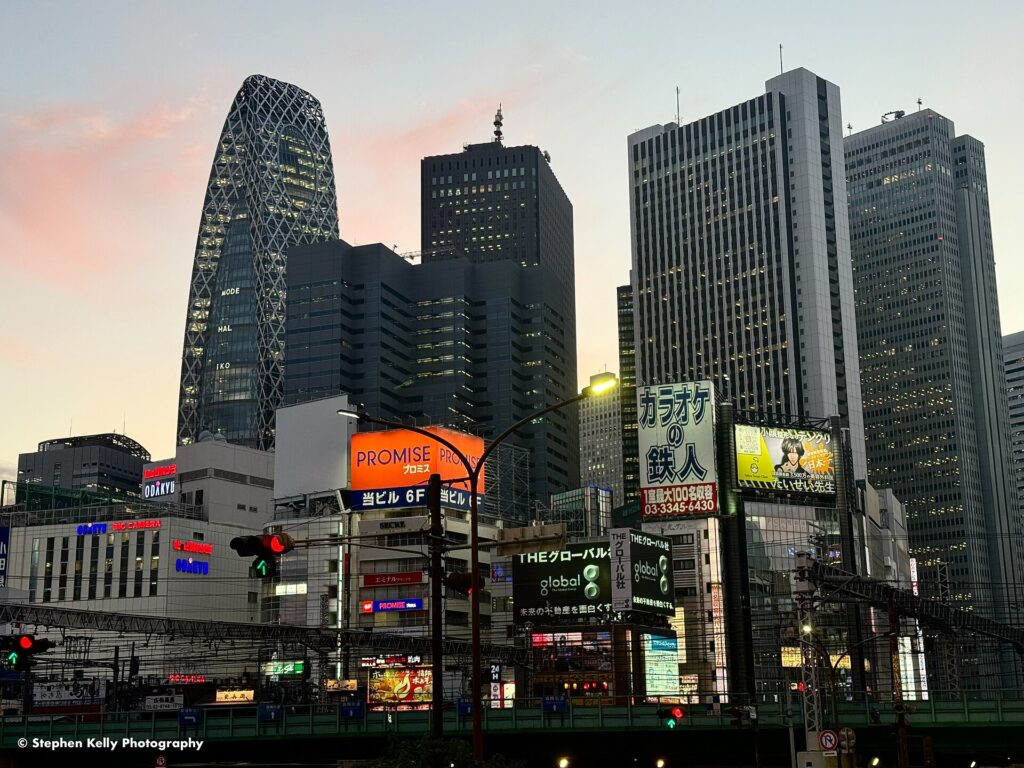
How an Edo post town shifted west to become a railway terminal, entertainment district and skyscraper subcenter.
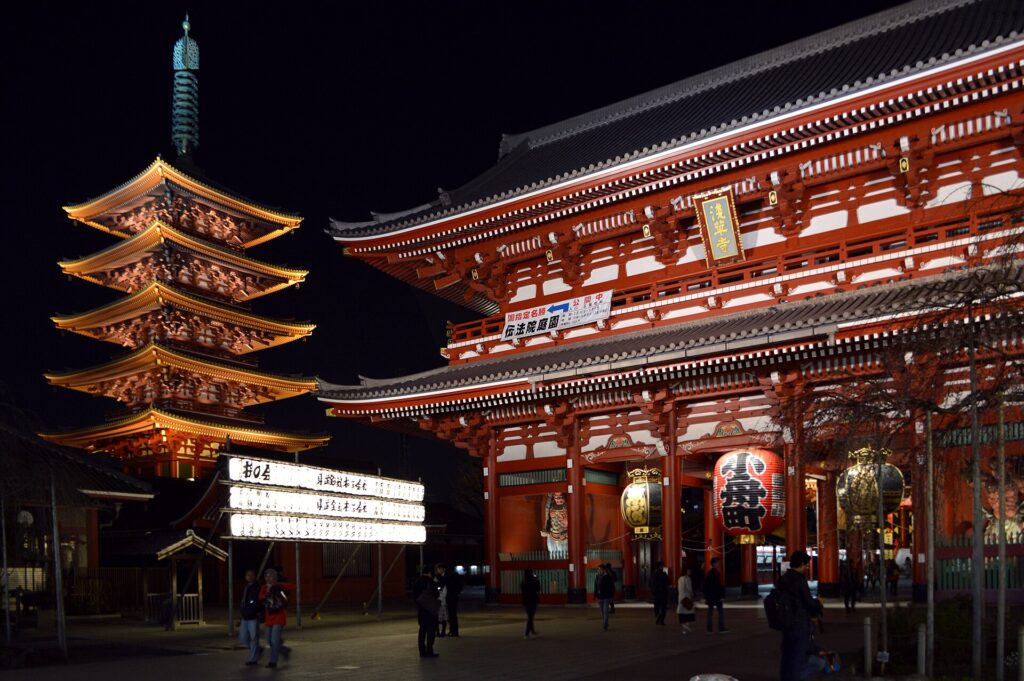
Asakusa became Tokyo’s historic entertainment capital because centuries of pilgrims created a dependable crowd for shops, performers, theatres and cinemas. Its famous gates, shopping street and entertainment district still follow that pattern.
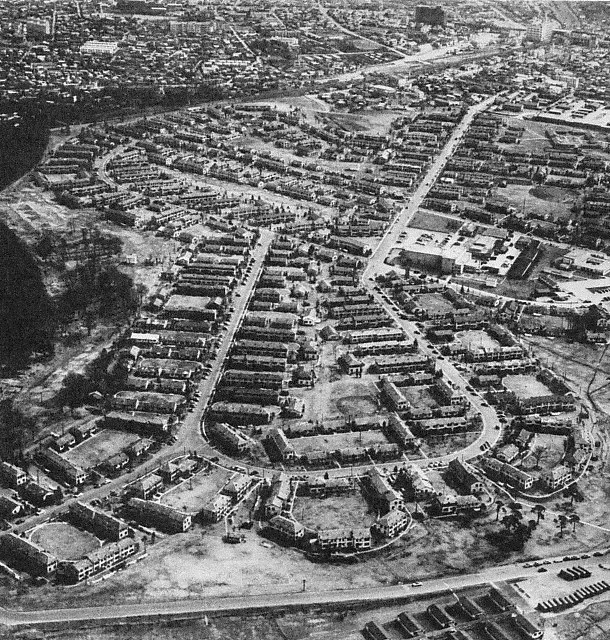
Before Yoyogi Park, this land was an army parade ground, U.S. military housing and the main Olympic Village for the 1964 Tokyo Games. Trace the layered history still visible around Yoyogi today.
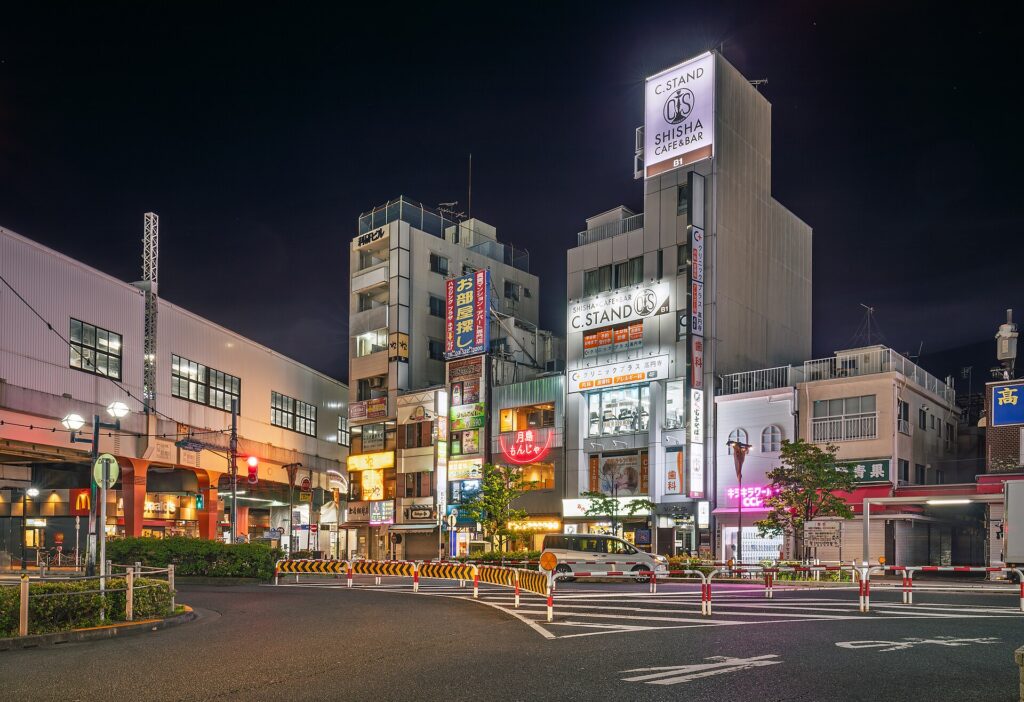
Explore how Koenji grew from a farming village and river landscape into a railway suburb, temple district, shopping town and center of Tokyo counterculture.
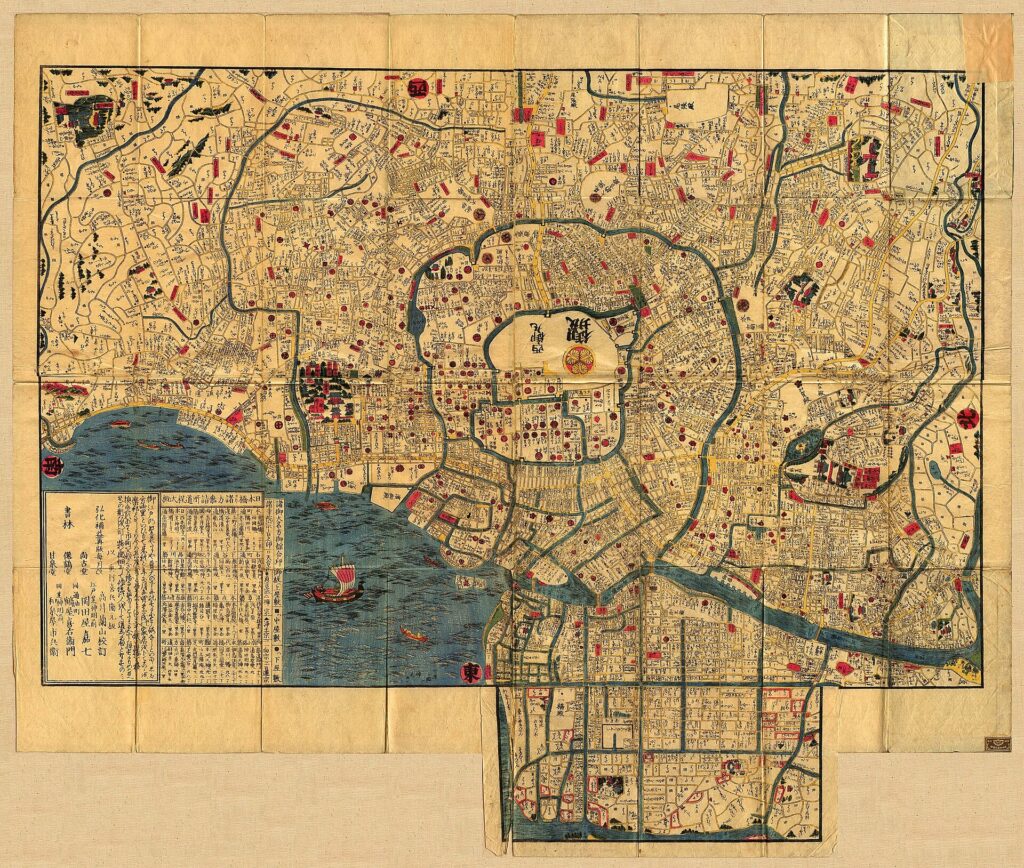
Old Japanese maps were not designed like modern navigation maps. This beginner-friendly guide explains their orientation, colors, labels and purpose, then shows how to use an Edo map on a walk from Nihonbashi to the former Edo Castle.