Japan’s neighborhoods are shaped by layers of geography, roads, rivers, temples, railways, industry, disaster, war and redevelopment. These local histories explain how today’s streets and districts came to look and feel the way they do—and where travelers can still see traces of the past.
Search the national collection or narrow the directory by prefecture, municipality, area, historical character and walking-route availability. Prefecture directories use this same shared system and are generated from article data rather than copied pages.
46 neighborhood histories
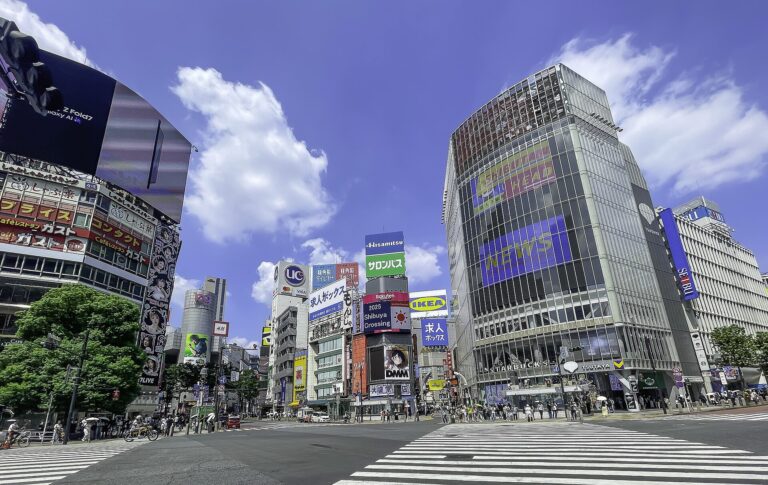 Shibuya(Shibuya City)渋谷(渋谷区)How a river valley, converging railways, retail competition and repeated redevelopment made Shibuya a major Tokyo terminal and youth-culture center.
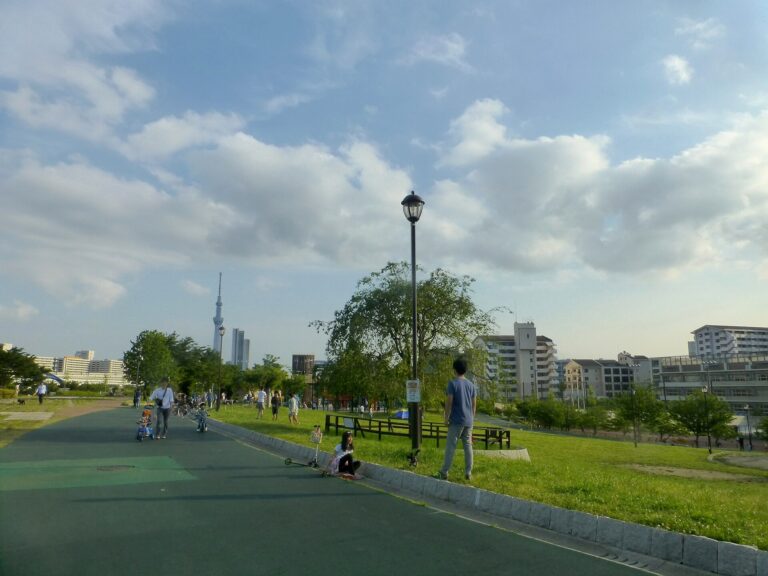 Minami-senju(Arakawa City)南千住(荒川区)How Senju’s southern gateway, Kozukappara, freight railways, industry and Shioiri redevelopment created today’s sharply layered Minami-senju.
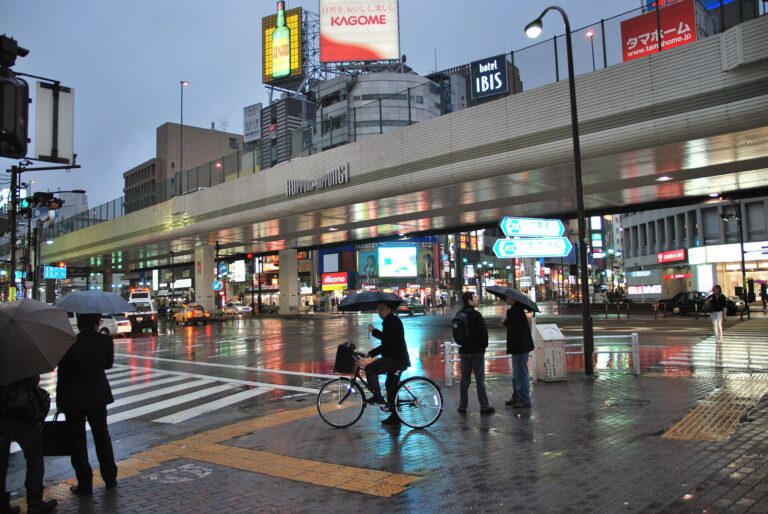 Roppongi(Minato City)六本木(港区)Roppongi’s history layers samurai estates, military and occupation land, international institutions, nightlife, art and large-scale redevelopment.
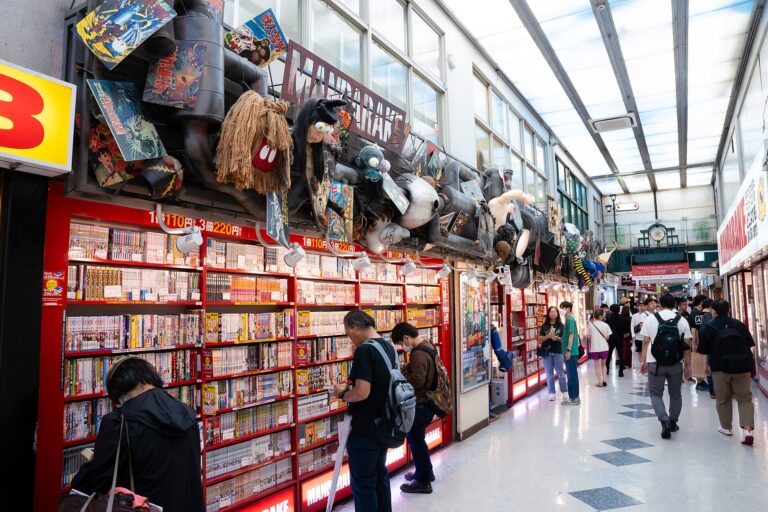 Nakano(Nakano City)中野(中野区)From Musashino farming settlement and railway suburb to postwar shopping center, Nakano Broadway and specialist subculture market.
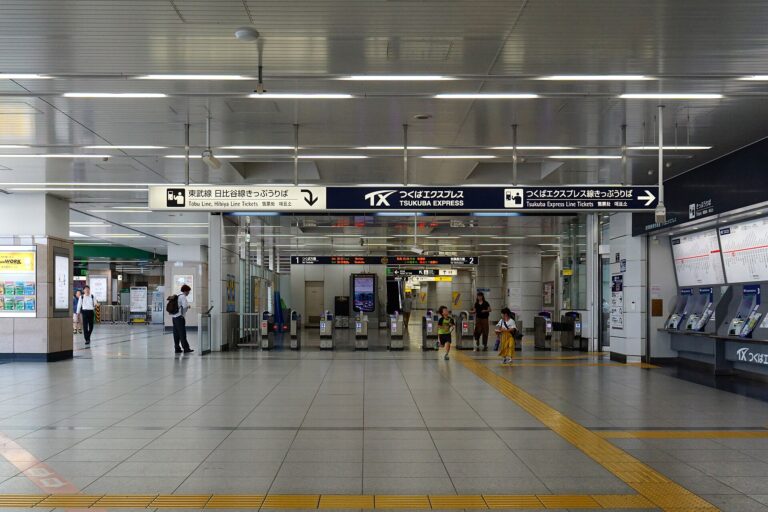 Kita-senju(Adachi City)北千住(足立区)How a river crossing, Edo post town, produce market, railways, postwar commerce and a university shaped today’s Kita-senju.
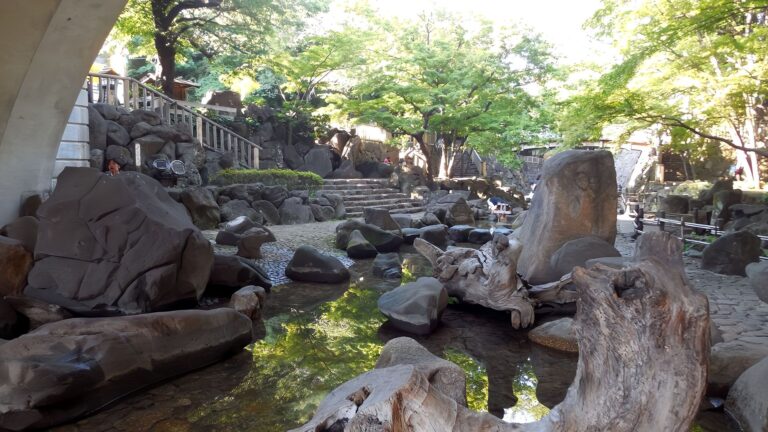 Oji(Kita City)王子(北区)How Oji’s shrine landscape, Asukayama cherry blossoms, paper industry, railways and river engineering created a layered northern Tokyo district.
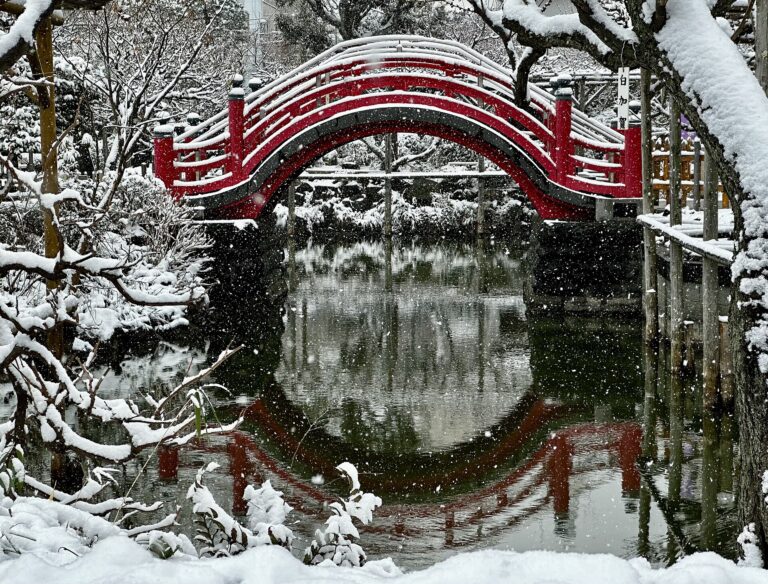 Kameido(Koto City)亀戸(江東区)Kameido’s waterways, Tenjin worship, industrial growth, disasters, shopping streets and factory-site redevelopment explain its layered shitamachi landscape.
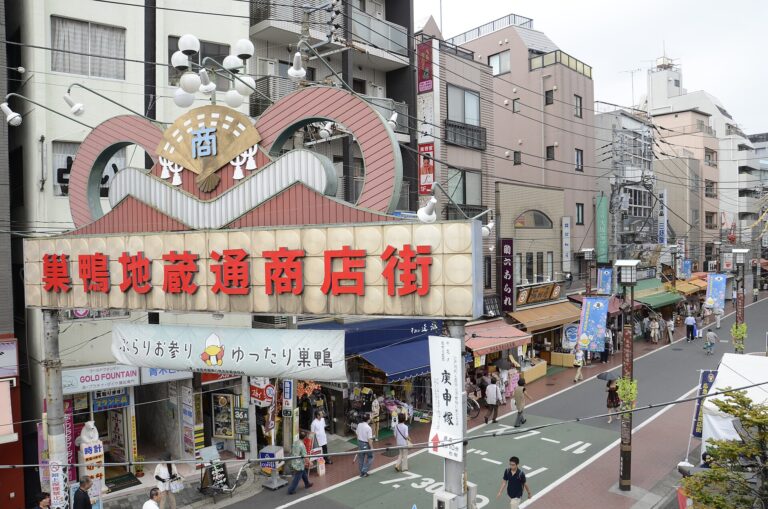 Sugamo(Toshima City)巣鴨(豊島区)How the former Nakasendo, roadside faith, Koganji’s relocation, transport, postwar rebuilding and merchant adaptation shaped Sugamo’s senior-culture identity.
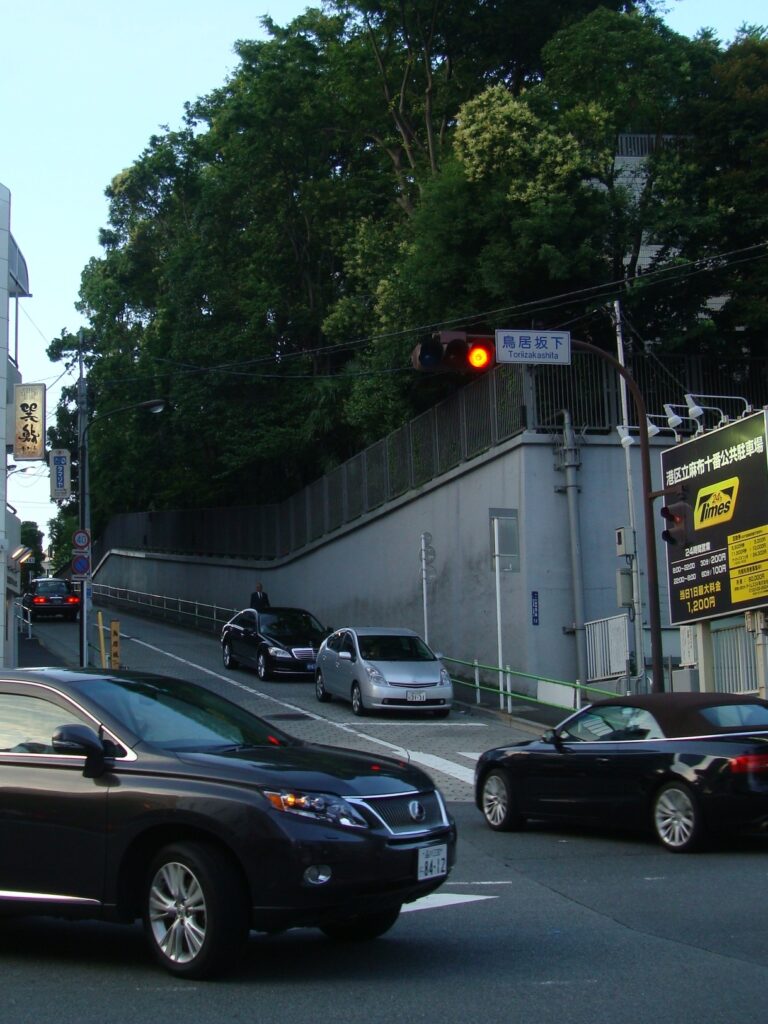 Azabu(Minato City)麻布(港区)Azabu’s hills, temples, samurai estates, embassies and shopping streets reveal how geography, diplomacy, war, transport and redevelopment shaped modern Tokyo.
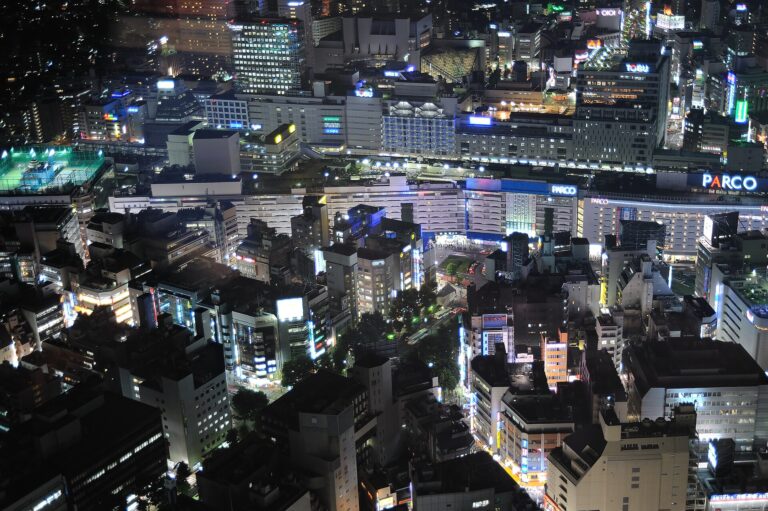 Ikebukuro(Toshima City)池袋(豊島区)How railway junctions, Rikkyo University, artist studios, war, postwar markets and redevelopment transformed rural Ikebukuro into a major Tokyo subcenter.
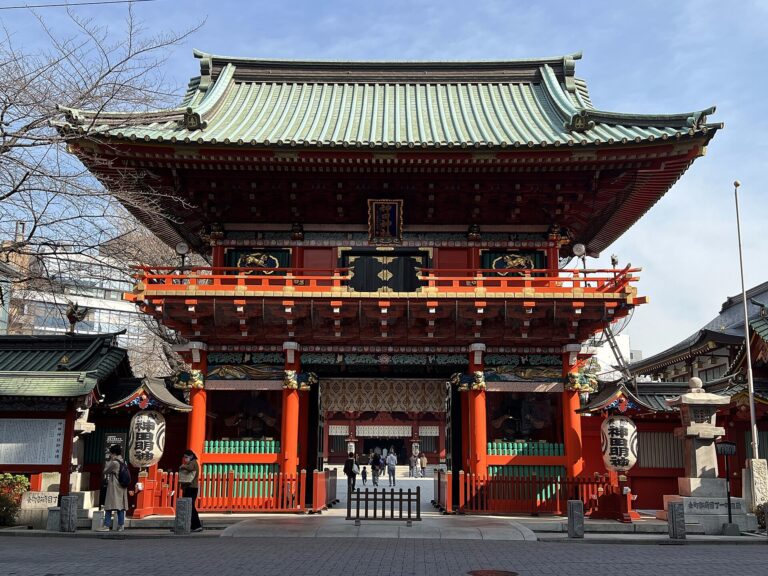 Kanda(Chiyoda City)神田(千代田区)What links Kanda Myojin, Jimbocho’s bookshops and the abandoned platforms of Manseibashi? Their shared history begins with Edo’s river engineering and merchant networks.
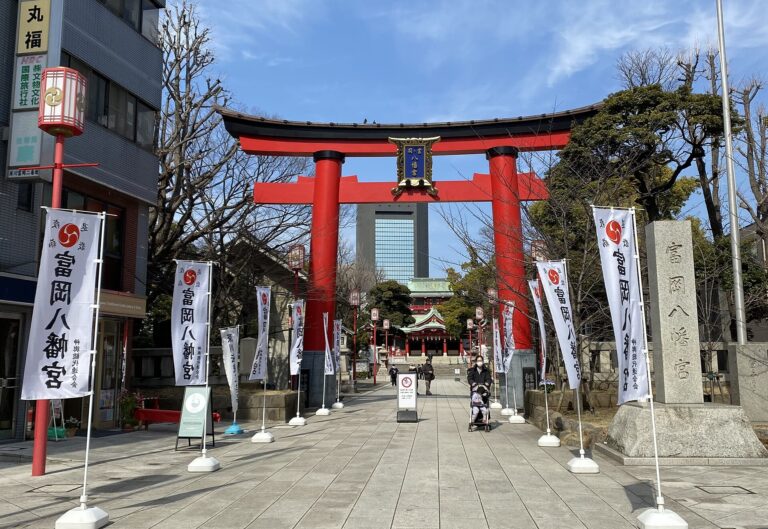 Fukagawa(Koto City)深川(江東区)How reclaimed lowlands, canals, temples, timber yards, warehouses, disasters and adaptive reuse shaped Fukagawa.
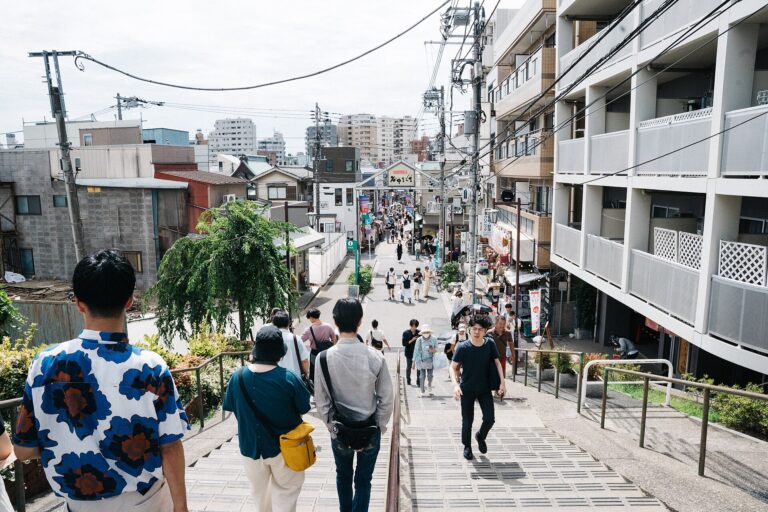 Yanaka, Nezu and Sendagi(Taito City / Bunkyo City)谷中・根津・千駄木(Taito City / Bunkyo City)How temple towns, plateau-and-valley geography, modern cemetery planning, uneven disaster survival, postwar commerce and preservation created the layered landscape known as Yanesen.
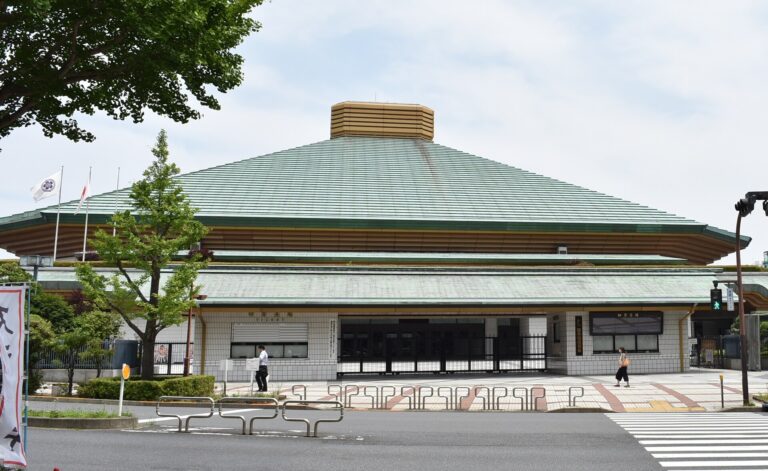 Ryogoku(Sumida City)両国(墨田区)How a post-fire bridge, memorial culture, river entertainment, sumo and disaster memory shaped modern Ryogoku.
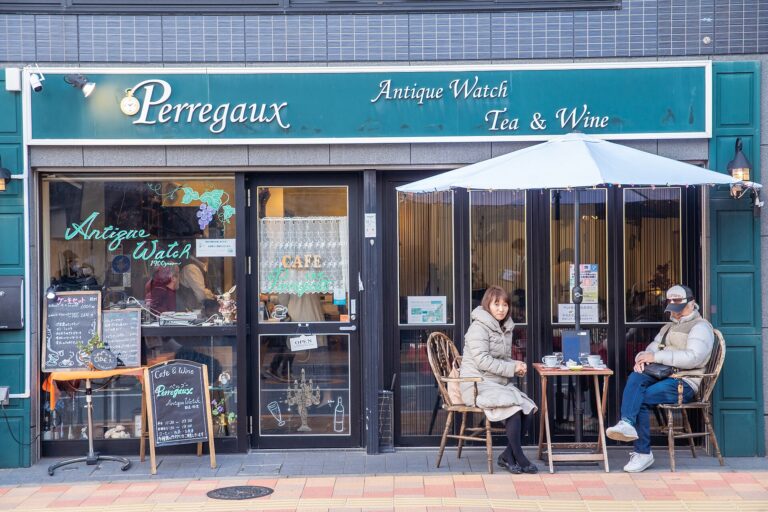 Kagurazaka(Shinjuku City)神楽坂(新宿区)How the outer moat, temple approach, geisha district, publishing, war and French culture created modern Kagurazaka.
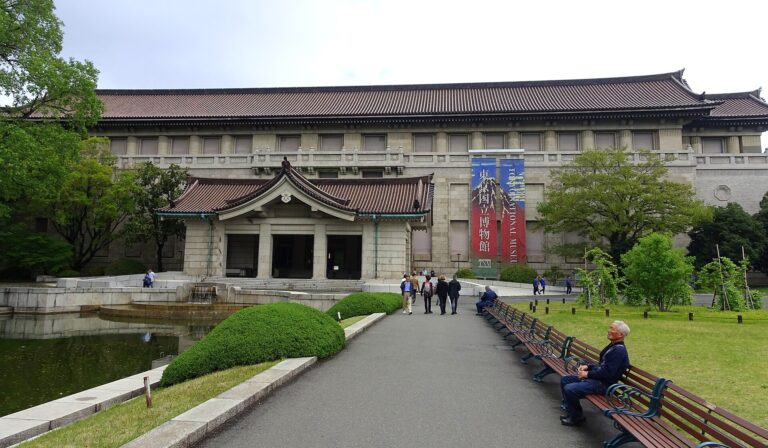 Ueno(Taito City)上野(台東区)How Kan’ei-ji’s temple city became a battlefield, public park, museum district, railway gateway and postwar commercial center.
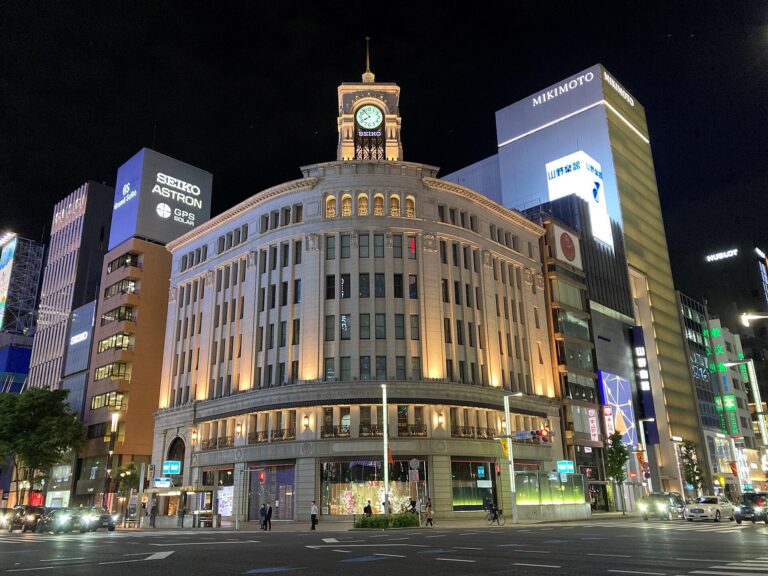 Ginza(Chuo City)銀座(中央区)How an Edo silver-mint district became a government-built Bricktown, an information and retail center, a symbol of modern consumption and Tokyo’s most influential shopping street.
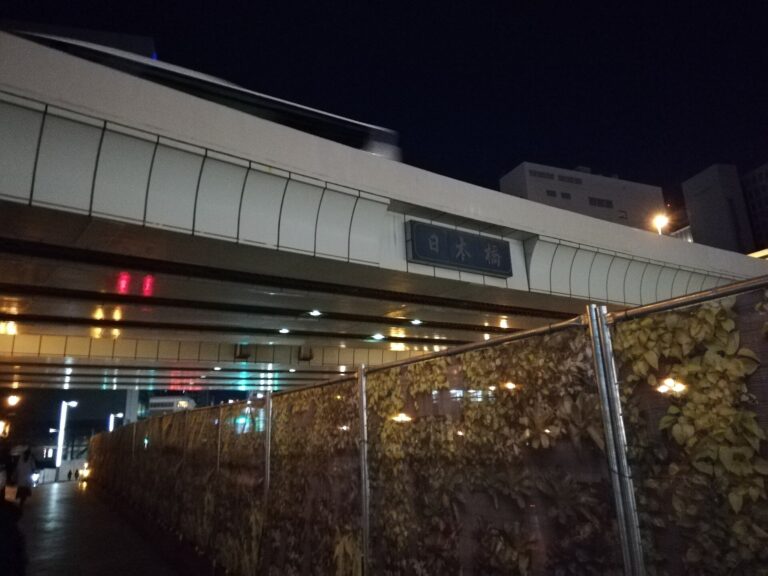 Nihonbashi(Chuo City)日本橋(中央区)How roads, waterways, fish markets, merchants and finance turned a single bridge into Edo’s commercial center—and left their mark on modern Tokyo.
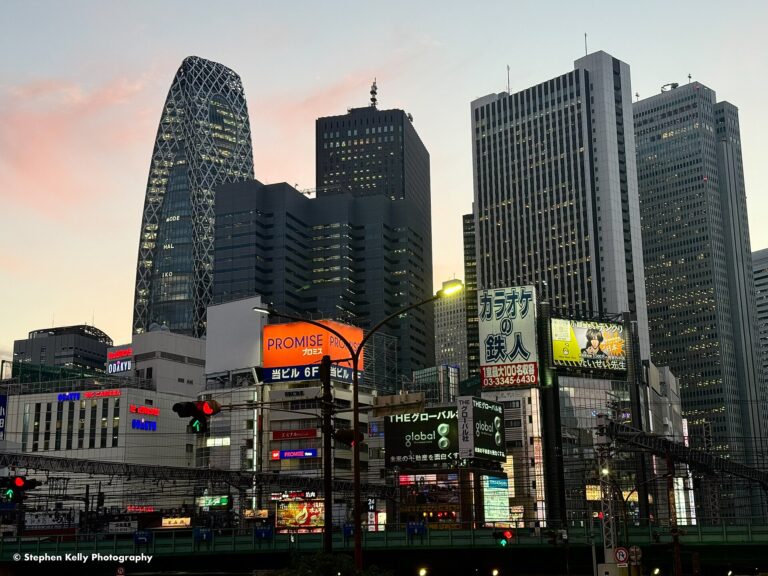 Shinjuku(Shinjuku City)新宿(新宿区)How an Edo post town shifted west to become a railway terminal, entertainment district and skyscraper subcenter.
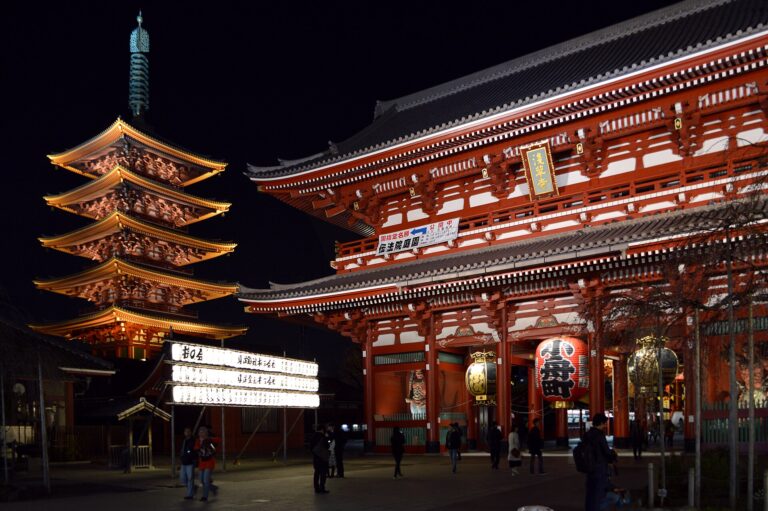 Asakusa(Taito City)浅草(台東区)A riverside Buddhist temple drew crowds for centuries—and those crowds created Nakamise, popular shows, theatres, cinemas and the Asakusa visitors experience today.
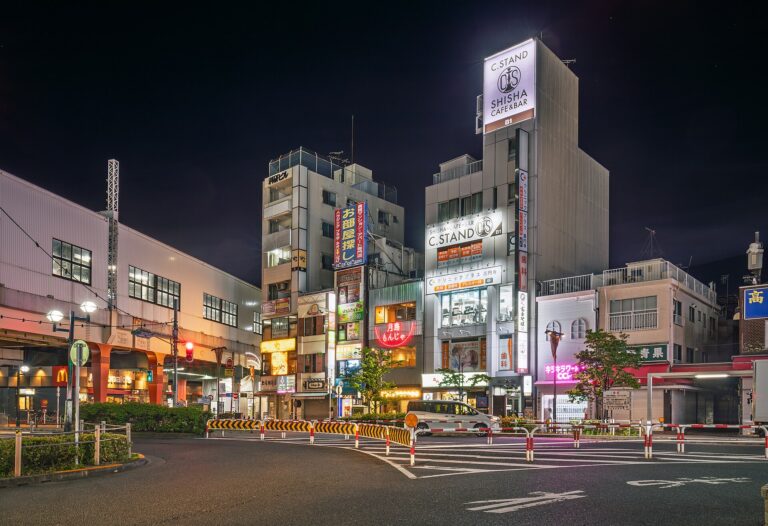 Koenji(Suginami City)高円寺(杉並区)From farming village and buried river to railway suburb, temple district, shopping streets and Tokyo counterculture.
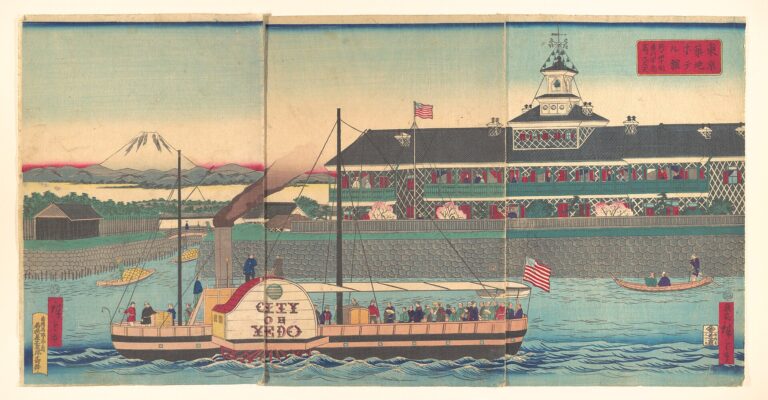 Tsukiji(Chuo City)築地(中央区)How reclaimed waterfront, temples, foreign institutions, fish-market logistics and redevelopment turned Tsukiji into one of Tokyo’s most layered neighborhoods.